
Regeneration & Tissue Remodelling Peptides
2 products
Regeneration & Tissue Remodelling Peptides
Refine by
High-Purity Reagents for Angiogenesis, Cellular Migration, and Structural Repair
Welcome to the primary repository for research peptides focused on Tissue Remodelling and Regenerative Biology. This category comprises high-purity compounds engineered for laboratory investigation into physiological recovery pathways, including soft tissue synthesis, tendon maintenance, and organ-specific cellular restoration.
These reagents allow for the precise study of signalling molecules that modulate the extracellular matrix (ECM), upregulate growth factors, and influence inflammatory cytokine response.
Core Research Mechanisms
Unlike anabolic agents, these peptides are investigated for their ability to coordinate site-specific repair via several distinct biological pathways:
1. Angiogenesis & Vascular Recruitment
A central pillar of regenerative research is Angiogenesis—the formation of new blood vessels from pre-existing vasculature.
-
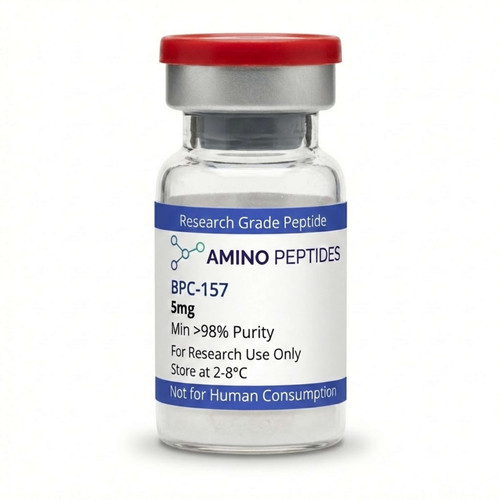
BPC-157 (Body Protection Compound): Extensively studied for its role in stimulating VEGF (Vascular Endothelial Growth Factor) expression. Research models focus on its potential to restore microcirculation in tissues with notoriously poor vascularity, such as tendons, ligaments, and the gastric lining.
2. Actin Sequestration & Cell Migration
Cellular mobility is critical for systemic recovery and the recruitment of repair cells to the site of injury.
-
Thymosin Beta-4 (TB-500): The primary reagent for investigating Actin Upregulation. By sequestering G-actin into F-actin, TB-500 is researched for its ability to increase the mobility of keratinocytes and endothelial cells, facilitating their migration through the bloodstream.
3. Organ-Specific Bioregulation
This category includes specialised bioregulators utilised in studies regarding organ-specific cellular integrity and maintenance:
-
ARA-290: A non-haematopoietic erythropoietin analogue researched for neuro-protective properties and the modulation of neuropathic pain signals.
-
Bronchogen & Cardiogen: Targeted peptides for the investigation of bronchial epithelial recovery and cardiomyocyte preservation, respectively.
-
Cartalax: Utilised in chondrocyte synthesis and joint preservation models.
Synergistic Research Protocols
-
The BPC-157 + TB-500 Blend: A widely cited research protocol involving the simultaneous application of angiogenic and migratory factors. This blend allows researchers to investigate the "multiplier effect" of concurrent vascular and cellular support in wound healing models.
-
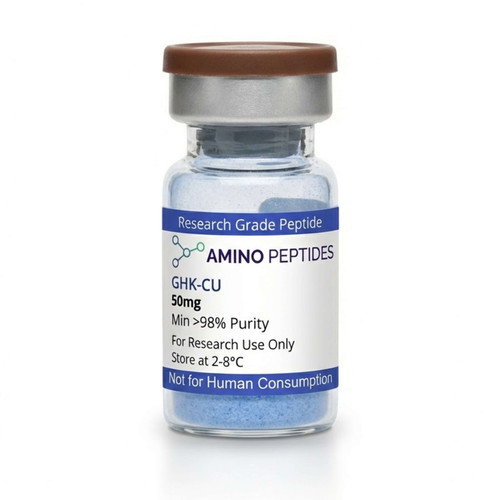
GHK-Cu (Copper Peptide): Frequently utilised to study the feedback loops of tissue remodelling, specifically the degradation of irregular collagen (scar tissue) and the stimulation of healthy Type I and III collagen synthesis.
Analytical Standards & Quality Assurance
To ensure reproducible data and minimise immunogenic interference in cell cultures, all peptides in this category undergo rigorous validation:
-
HPLC Verified: Guaranteed purity levels.
-
TFA Removal: Processed via acetate exchange to eliminate trifluoroacetic acid, reducing cytotoxicity in sensitive research environments.
-
Mass Spectrometry: Full sequence confirmation and molecular weight analysis provided for every batch.
Strictly for Scientific Research
Amino Peptides Ltd is a research-only supplier. Our products are intended strictly for in-vitro laboratory research and development (R&D). They are not intended for human consumption, diagnostic, therapeutic, or veterinary use.