In-Vitro Research Only
Sign in

The Knowledge Hub

Why Labs Demand 99% Purity in Research Peptides

Why Labs Demand 99% Purity in Research Peptides

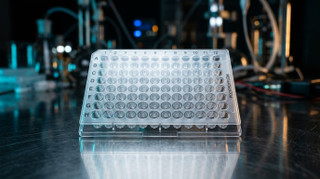
Discover why labs demand 99% purity in research peptides, how broken fragments block cellular recovery receptors, and why HPLC testing matters. Why labs demand 99% purity in research peptides comes down to one simple rule: even a two percent contamination rate can block cell receptors and ruin a tis…
Why Labs Demand 99% Purity in Research Peptides
GHK-Cu: What the Laboratory Data Actually Shows

GHK-Cu: What the Laboratory Data Actually Shows

Discover GHK-Cu: What the Laboratory Data Actually Shows about copper binding, gene signalling, tissue remodelling timelines, and 99%+ HPLC purity standards. GHK-Cu works in laboratory models by picking up ionic copper and delivering it directly to cells that manage collagen synthesis, antioxidant d…
GHK-Cu: What the Laboratory Data Actually Shows
GHK-Cu In-Vitro: Cellular Regeneration Examined

GHK-Cu In-Vitro: Cellular Regeneration Examined

Explore GHK-Cu In-Vitro: Cellular Regeneration Examined through plain-English lab findings on skin elasticity, gene activity, study timelines, and purity. GHK-Cu works in the lab by delivering bioavailable copper directly into fibroblasts to switch on collagen, elastin, and antioxidant genes. Publis…
GHK-Cu In-Vitro: Cellular Regeneration Examined
NAD+ Research: Tracking Cellular Energy And DNA Repair

NAD+ Research: Tracking Cellular Energy And DNA Repair

Explore NAD+ Research: Tracking Cellular Energy And DNA Repair in laboratory models, covering sirtuin activation, study timelines, and 99%+ HPLC purity. Nicotinamide adenine dinucleotide (NAD+) acts as the central electron shuttle inside mitochondria while serving as the mandatory fuel for enzymes t…
NAD+ Research: Tracking Cellular Energy And DNA Repair