
High-Purity vs. Standard Grade: Why Research Quality Matters
24th Jul 2026
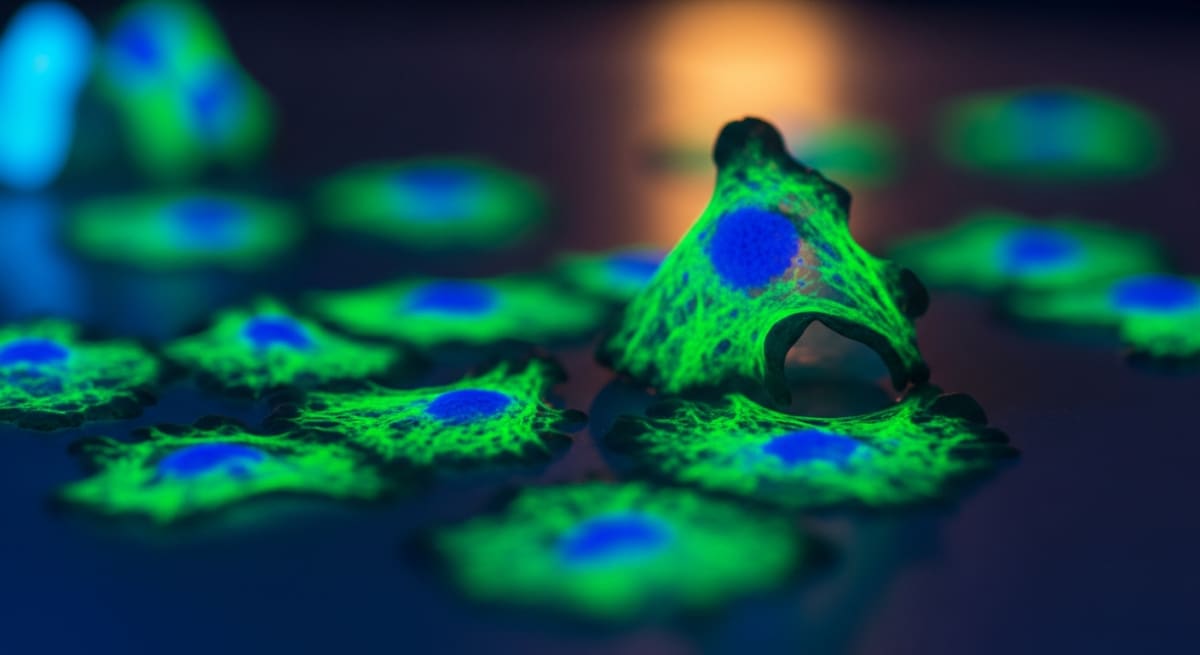
In-vitro scientific exploration demands rigorous control over experimental variables. Within chemical biology, the molecular integrity of synthesised reagents dictates the validity of observational data. When researchers source compounds for cellular assays or receptor-binding studies, the distinction between standard-grade and high-purity peptides represents more than a minor variance in percentage; it constitutes the boundary between reproducible science and anomalous experimental artifacts. Standard-grade materials, while occasionally suitable for preliminary screening, frequently contain synthesis by-products, truncated peptide fragments, and residual counterions that can distort biological responses. Conversely, high-purity reagents undergo meticulous purification protocols to ensure that the observed cellular interactions stem solely from the target sequence. Selecting a reputable peptide supplier ensures access to verified analytical data, which is fundamental for maintaining the integrity of laboratory investigations. This rigorous approach is essential for preventing the propagation of erroneous data in the wider scientific literature, where unverified reagents often lead to irreproducible results.
Key Takeaways
- Purity Thresholds: High-purity reagents exceeding ninety-eight percent purity minimise the risk of non-specific cellular interactions and off-target effects.
- Synthetic Impurities: Standard-grade peptides often contain truncated sequences and deletion peptides that act as competitive antagonists or agonists in receptor assays.
- Counterion Toxicity: Residual trifluoroacetic acid salts in lower-grade preparations can induce cytotoxic effects, skewing cell viability data.
- Analytical Verification: Rigorous high-performance liquid chromatography and mass spectrometry are essential to confirm sequence identity and purity.
- Reconstitution Protocol: High-purity compounds exhibit superior stability when prepared with a dedicated reconstitution solvent rather than standard water.
The Chemistry of Peptide Synthesis and the Origin of Impurities
Fmoc solid-phase peptide synthesis (SPPS) is a highly efficient method, yet it is inherently prone to generating side products. During the sequential coupling of amino acids, incomplete reactions lead to deletion sequences—peptides missing one or more residues. Furthermore, the chemical deprotection steps can cause side reactions, resulting in modified amino acid side chains. Standard-grade peptides, typically defined as having a purity of ninety to ninety-five percent, contain a significant proportion of these closely related impurities. Because these impurities share similar structural motifs with the target peptide, they can bind to the same cellular receptors, either blocking the target or triggering unintended signalling pathways.
To achieve high-purity status, raw synthetic mixtures must undergo preparative reversed-phase high-performance liquid chromatography (RP-HPLC). This process separates the target sequence from closely eluting deletion fragments. Following chromatography, the peptide is typically lyophilised. The resulting powder must be characterised using analytical chromatography to verify purity and electrospray ionisation mass spectrometry (ESI-MS) to confirm molecular mass. This level of verification is standard practice for researchers accessing the all research peptides directory, where analytical consistency is paramount. Without these rigorous purification steps, researchers risk introducing complex mixtures of structurally similar molecules into their experimental systems, confounding subsequent analysis. The presence of these synthetic anomalies can lead to significant variations between experimental batches, making it virtually impossible to establish a reliable baseline for comparative studies. Furthermore, the presence of diastereomeric impurities—peptides containing D-amino acids instead of L-amino acids due to racemisation during coupling—presents a major challenge. These optical isomers possess identical molecular weights and highly similar physical properties, making them exceptionally difficult to detect without high-resolution analytical chromatography. Diastereomers can exhibit completely different biological activities, sometimes acting as potent inhibitors of the target receptor. Consequently, standard-grade preparations that do not undergo rigorous diastereomeric analysis can yield highly misleading data, further emphasising the necessity of sourcing reagents that are verified at the highest level of chemical resolution.
The Biological Cost of Impurities in Cellular Assays
The presence of even small percentages of impurities can completely invalidate in-vitro research. For instance, residual trifluoroacetic acid, which is commonly used to cleave peptides from the synthetic resin, behaves as a strong acid. In cell culture assays, excessive trifluoroacetic acid can alter the pH of the microenvironment, leading to cell death that researchers might mistake for peptide-induced cytotoxicity. Furthermore, truncated sequences can act as competitive inhibitors. If an impurity binds to a target receptor with high affinity but fails to initiate the downstream signalling cascade, the apparent potency of the primary peptide is artificially reduced.
Additionally, standard-grade reagents often contain residual organic solvents, such as acetonitrile or dimethylformamide, used during synthesis and purification. These solvents are highly toxic to primary cell lines and can disrupt lipid bilayers, leading to membrane leakage and false-positive readouts in viability assays. High-purity peptides undergo extensive counterion exchange processes, often replacing harmful trifluoroacetic acid with acetate or hydrochloride salts, thereby ensuring a benign environment for cellular testing. This meticulous attention to chemical composition prevents the occurrence of confounding experimental artifacts. By eliminating these toxic residues, researchers can observe the true physiological effects of the peptide under investigation, free from the background noise of chemical contamination.
Analytical Validation: Deciphering Chromatograms and Mass Spectrometry
To guarantee the reliability of experimental outcomes, researchers must become proficient in interpreting analytical documentation. Analytical RP-HPLC profiles provide a visual representation of sample homogeneity. A single, sharp peak indicates a high-purity compound, whereas multiple shoulder peaks or secondary peaks reveal the presence of synthetic contaminants. Mass spectrometry further confirms that the main peak corresponds precisely to the calculated molecular weight of the target peptide, ruling out the presence of isobaric impurities or incomplete deprotection.
Standard-grade peptides often bypass these stringent analytical checks, or are supplied with generic batch reports that do not reflect the specific vial received. In contrast, premium research reagents are accompanied by batch-specific chromatograms and mass spectra. This transparency allows investigators to verify that the chemical structure aligns exactly with their experimental design, eliminating guesswork and ensuring that any observed biological activity is directly attributable to the synthesised sequence. This systematic verification is crucial for high-throughput screening, where a single false positive can derail an entire research program.
Reconstitution, Solubility, and Storage Protocols
The physical state of a peptide influences its stability and shelf-life. Lyophilised peptides are highly hygroscopic, meaning they readily absorb moisture from the atmosphere. This moisture can accelerate hydrolytic degradation, leading to peptide cleavage. When preparing these compounds for laboratory use, researchers must employ a sterile, bacteriostatic reconstitution solution. Using a generic solvent can introduce ions that catalyse degradation. A dedicated bacteriostatic reconstitution solution preserves the structural integrity of the peptide chain, preventing premature aggregation or precipitation in solution.
For researchers seeking comprehensive technical guidance on handling these sensitive molecules, consulting resources on the knowledge hub provides valuable protocols on storage temperatures, aliquotting strategies, and solvent compatibility. Proper reconstitution ensures that the high-purity compound remains stable throughout the duration of the experimental protocol, preventing the formation of insoluble aggregates that can clog microfluidic channels or interfere with spectrophotometric readings. Maintaining strict control over the reconstitution environment is essential for preserving the secondary structure of the peptide, which is often critical for receptor recognition.
Frequently Asked Questions
What criteria define genuine research quality peptides in laboratory settings?
In-vitro investigators must understand that genuine research quality peptides are defined by their analytical profiles, specifically their chromatographic purity and mass verification. Standard-grade reagents may suffice for basic qualitative assays, but quantitative assays require high quality research peptides that exceed ninety-eight percent purity. This high threshold ensures that the biological responses observed in cellular models are attributable solely to the target sequence, rather than residual synthesis reagents, truncated sequences, or counterion contaminants like trifluoroacetic acid.
How can laboratories identify the best quality research peptides for sensitive assays?
Identifying the best quality research peptides requires reviewing the manufacturer's analytical documentation, specifically the high-performance liquid chromatography chromatogram and mass spectrometry report. Researchers should look for suppliers who provide mindful research peptides quality tested and guaranteed to meet specific purity benchmarks. This guarantee means each batch has undergone rigorous quality control to confirm the absence of deletion sequences and toxic organic solvents, which could otherwise compromise cell viability and lead to false-positive results in delicate in-vitro assays.
Why is purity the primary factor when sourcing quality research chemicals peptides?
When sourcing quality research chemicals peptides, purity is the single most critical factor because impurities introduce uncontrollable variables into experimental systems. In-vitro assays, such as receptor-binding studies or enzyme inhibition assays, are highly sensitive to molecular structure. Even a minor impurity representing five percent of the total peptide content can significantly skew binding affinity calculations or cause non-specific binding, rendering the experimental data non-reproducible. High-purity reagents eliminate these confounding variables, ensuring scientific integrity.
Scientific References
- Fields, G. B., & Noble, R. L. (1990). Solid-phase peptide synthesis utilizing 9-fluorenylmethoxycarbonyl amino acids. International Journal of Peptide and Protein Research, 35(3), 161-214. View published research
- Mant, C. T., & Hodges, R. S. (2002). Analysis of peptides by high-performance liquid chromatography. Methods in Molecular Biology, 205, 3-21. View published research
- Merrifield, R. B. (1986). Solid phase synthesis. Science, 232(4748), 341-347. View published research
- Cornish, J., et al. (1997). Trifluoroacetate, a contaminant in purified peptides, inhibits bone cell proliferation. American Journal of Physiology, 272(5), E757-E762. View published research
- Schnölzer, M., et al. (1992). In situ neutralization in Boc-chemistry solid phase peptide synthesis. International Journal of Peptide and Protein Research, 40(3-4), 180-193. View published research
⚠️ Research Use Only Disclaimer: All peptides and compounds are sold strictly for in-vitro laboratory research purposes only. Not intended for human or veterinary use, not a dietary supplement, and not approved to diagnose, treat, cure, or prevent any disease or condition. For use by qualified researchers in suitably equipped laboratory environments only. Amino Peptides Ltd operates in full compliance with UK MHRA regulations and applicable EU research chemical guidelines.