
Ipamorelin: The Selective Growth Hormone Secretagogue with Minimal Side Effects
14th Jun 2026
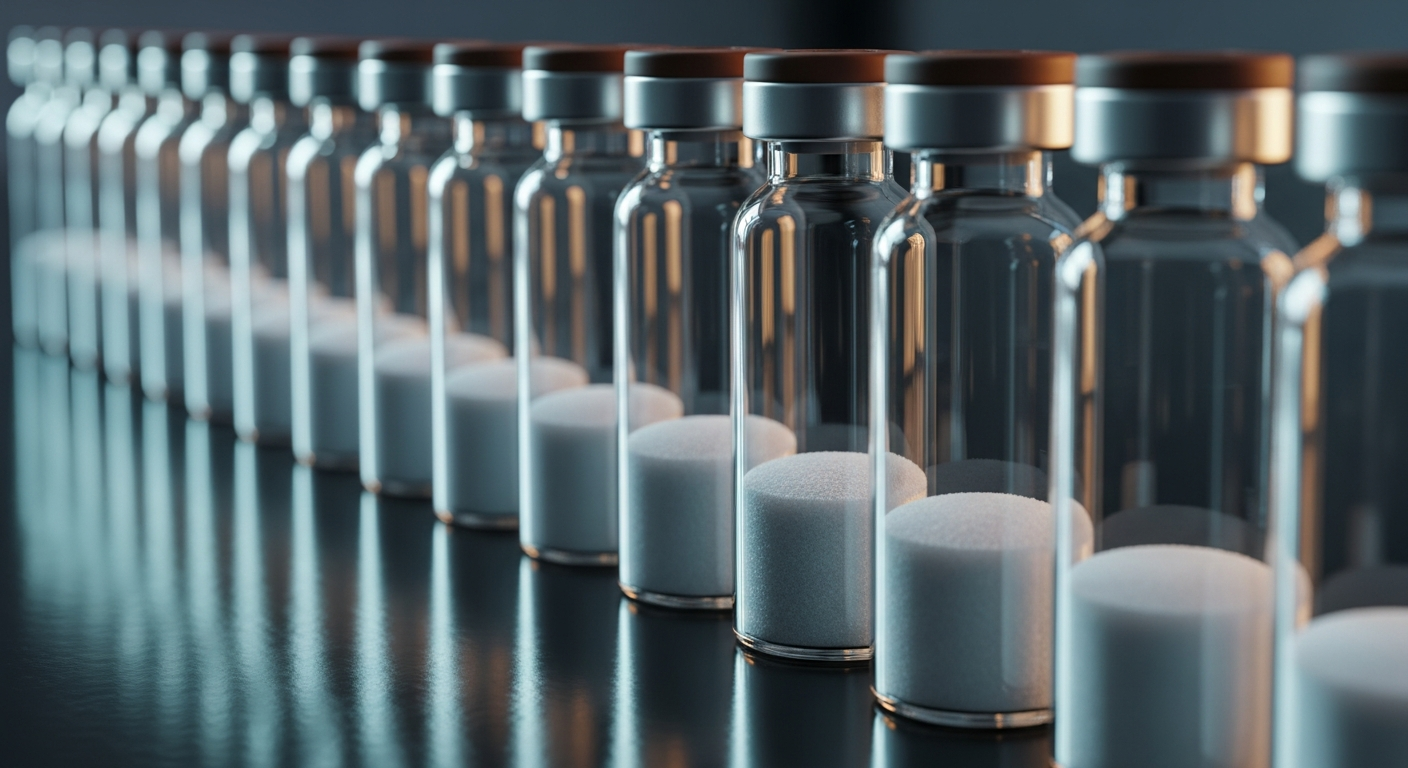
Ipamorelin is a highly selective, synthetic pentapeptide that functions as a growth hormone secretagogue (GHS) and a specific agonist of the ghrelin receptor. In the realm of biochemical research and cellular assays, this compound has garnered significant attention due to its unique structural modifications and its ability to stimulate specific intracellular signalling cascades without triggering the off-target receptor activation commonly observed with earlier generation secretagogues. By isolating its mechanism of action to the growth hormone secretagogue receptor 1a (GHSR-1a), Ipamorelin provides researchers with a precise tool for studying cellular metabolism, protein synthesis pathways, and receptor kinetics in controlled in-vitro environments.
Scientific Abstract
This article provides a comprehensive analysis of Ipamorelin (Aib-His-D-2-Nal-D-Phe-Lys-NH2), detailing its molecular architecture, receptor binding affinity, and intracellular mechanisms of action. Unlike other peptides in the GHRP (Growth Hormone Releasing Peptide) family, Ipamorelin demonstrates a profound selectivity for the GHSR-1a receptor in isolated somatotroph models. Cellular assays indicate that it lacks the lipogenic and corticotropic cross-reactivity that characterises related compounds, meaning it does not stimulate the secondary release pathways associated with adrenocorticotropic hormone (ACTH) or prolactin. This precise selectivity makes it an invaluable compound for researchers seeking to isolate specific G-protein coupled receptor (GPCR) pathways without the confounding variables of off-target secondary signalling. Furthermore, this document outlines the strict laboratory protocols required for handling, including the mandatory use of a bacteriostatic reconstitution solution, to maintain the structural integrity of the peptide during in-vitro experimentation.
Molecular Architecture and Chemical Properties
The structural biochemistry of Ipamorelin is the primary driver of its distinct behaviour in cellular assays. It is a pentapeptide, meaning it consists of a chain of five specific amino acid residues. Its exact sequence is Aib-His-D-2-Nal-D-Phe-Lys-NH2. The compound possesses a molecular weight of 711.85 g/mol and a chemical formula of C38H49N9O5. Each residue in this sequence has been deliberately selected to enhance receptor affinity and protect the peptide from rapid enzymatic degradation in culture media.
- Aib (alpha-aminoisobutyric acid): This non-proteinogenic amino acid is positioned at the N-terminus. The presence of two methyl groups on the alpha carbon creates significant steric hindrance. This structural bulk restricts the dihedral angles of the peptide backbone, forcing the molecule into a specific helical conformation that is highly resistant to cleavage by aminopeptidases.
- His (Histidine): The imidazole ring of histidine plays a critical role in hydrogen bonding within the binding pocket of the GHSR-1a receptor, anchoring the peptide during the initial docking phase.
- D-2-Nal (D-2-naphthylalanine): This synthetic, bulky aromatic residue replaces the standard L-amino acids found in endogenous peptides. The D-configuration provides profound resistance to proteolytic enzymes, while the extended pi-electron system of the naphthyl group interacts strongly with the hydrophobic regions of the receptor.
- D-Phe (D-Phenylalanine): Another D-isomer substitution that maintains the structural integrity of the pharmacophore, ensuring the peptide remains stable during prolonged in-vitro incubation.
- Lys-NH2 (Lysine amide): The C-terminal amidation removes the negative charge typically associated with a free carboxylate group. This modification increases the overall basicity of the peptide, enhances its solubility in polar solvents, and protects the C-terminus from carboxypeptidase degradation.
Receptor Binding Dynamics and Selectivity
In laboratory settings, Ipamorelin is classified as a highly selective agonist for the growth hormone secretagogue receptor 1a (GHSR-1a). The GHSR-1a is a seven-transmembrane G-protein coupled receptor. When researchers introduce Ipamorelin to cell cultures expressing this receptor, the peptide binds to the extracellular loops and the transmembrane cavity with high affinity.
The defining characteristic of Ipamorelin—often referred to in literature as its profile of 'minimal side effects'—translates in an in-vitro context to a lack of off-target receptor activation. Earlier secretagogues, such as GHRP-2 and GHRP-6, exhibit cross-reactivity. When applied to complex cell cultures, these older peptides often bind to secondary receptors, triggering the intracellular pathways responsible for the synthesis of ACTH and prolactin. Ipamorelin, due to the specific conformational constraints imposed by the Aib and D-2-Nal residues, lacks the structural motifs required to dock with these secondary receptors. Consequently, it produces an exceptionally clean signalling profile, allowing researchers to study the GHSR-1a pathway in isolation.

Intracellular Signalling Cascades
Upon successful binding to the GHSR-1a receptor in isolated somatotroph models, Ipamorelin initiates a complex, multi-step intracellular signalling cascade. Understanding this pathway is crucial for researchers analysing cellular metabolism and exocytosis.
- G-Protein Activation: The binding event induces a conformational change in the GHSR-1a receptor, which activates the associated Gq/11 alpha subunit by exchanging bound guanosine diphosphate (GDP) for guanosine triphosphate (GTP).
- Phospholipase C (PLC) Cleavage: The activated alpha subunit dissociates and activates the membrane-bound enzyme Phospholipase C.
- PIP2 Hydrolysis: PLC hydrolyses phosphatidylinositol 4,5-bisphosphate (PIP2), a critical membrane phospholipid.
- Generation of Secondary Messengers: This hydrolysis yields two vital secondary messengers: inositol 1,4,5-trisphosphate (IP3) and diacylglycerol (DAG).
- Calcium Mobilisation: IP3 diffuses rapidly through the cytosol and binds to specific receptors on the endoplasmic reticulum, triggering a massive efflux of intracellular calcium ions into the cytoplasm.
- Protein Kinase C (PKC) Activation: Concurrently, DAG remains embedded in the plasma membrane and activates Protein Kinase C, which proceeds to phosphorylate various downstream target proteins.
- Vesicle Exocytosis: The sudden spike in intracellular calcium, combined with PKC activation, ultimately drives the exocytosis of secretory vesicles in the cell model.
Analytical Characterisation and Quality Control
For rigorous in-vitro experimentation, the purity and structural identity of Ipamorelin must be verified using advanced analytical techniques. High-Performance Liquid Chromatography (HPLC) is standard practice for assessing the purity of the peptide. In a typical reverse-phase HPLC setup using a C18 column, Ipamorelin will elute at a specific retention time based on its hydrophobicity, allowing researchers to quantify any synthesis impurities or degradation products. Mass Spectrometry, specifically Electrospray Ionisation (ESI-MS), is subsequently employed to confirm the precise molecular mass of 711.85 g/mol, ensuring the correct amino acid sequence has been synthesised.
Laboratories must always cross-reference their internal analytical data with the manufacturer's documentation. Researchers should thoroughly review the Certificate of Analysis to confirm the batch-specific purity levels. Additionally, the physical and chemical parameters expected during reconstitution can be verified by consulting the exact Specification Sheet provided by the supplier.
Laboratory Handling and Reconstitution Protocols
Ipamorelin is typically supplied to laboratories as a sterile, lyophilised white powder. In this state, the peptide is highly stable, provided it is stored correctly in a desiccated environment at -20 degrees Celsius. However, the reconstitution process requires strict adherence to laboratory protocols to prevent the mechanical or chemical degradation of the delicate peptide bonds.
To prepare the peptide for cellular assays, it must be dissolved using a high-quality bacteriostatic reconstitution solution. The inclusion of a bacteriostatic agent is critical for preventing microbial contamination during prolonged in-vitro studies. When introducing the solvent to the lyophilised powder, researchers must dispense the liquid slowly against the inner wall of the glass vial. Directing a high-pressure stream of solvent directly onto the powder can cause mechanical shearing of the peptide sequence.
Once the bacteriostatic reconstitution solution has been added, the vial should be gently swirled—never vigorously shaken—until the solution is completely clear and colourless. After reconstitution, the liquid peptide should be aliquoted into sterile microcentrifuge tubes to prevent the need for repeated freeze-thaw cycles, which are known to cause rapid peptide aggregation and structural denaturation. Reconstituted aliquots should be stored strictly at -20 degrees Celsius or lower.
Scientific In-Vitro FAQs
1. How does the Aib residue affect Ipamorelin's half-life in culture media?
The alpha-aminoisobutyric acid (Aib) residue significantly extends the half-life of Ipamorelin in in-vitro culture media. The gem-dimethyl group on the alpha carbon of Aib creates profound steric hindrance. This physical bulk prevents the active sites of common aminopeptidases and other proteolytic enzymes present in the culture serum from accessing and cleaving the adjacent peptide bonds, thereby maintaining the structural integrity of the molecule during extended incubation periods.
2. What is the optimal pH for Ipamorelin reconstitution in laboratory settings?
For optimal solubility and stability, Ipamorelin should be reconstituted in a solvent that maintains a slightly acidic to neutral pH, typically between 5.5 and 7.0. Reconstituting the peptide in highly alkaline conditions can lead to the deprotonation of the histidine residue and potential aggregation, while highly acidic conditions may risk the hydrolysis of the delicate amide bonds. A properly formulated bacteriostatic reconstitution solution naturally falls within this ideal pH range.
3. Why is Ipamorelin classified as a highly selective agonist in receptor binding assays?
Ipamorelin is classified as highly selective because competitive binding assays demonstrate that it binds almost exclusively to the GHSR-1a receptor. Unlike earlier generation hexapeptides (such as GHRP-6), Ipamorelin's unique pentapeptide structure lacks the specific spatial motifs required to bind to the secondary GPCRs responsible for ACTH and prolactin signalling. This absence of cross-reactivity provides a 'cleaner' data set when analysing isolated somatotroph responses.
Conclusion
Ipamorelin remains one of the most structurally refined and highly selective pentapeptides available for biochemical research. Its unique incorporation of D-amino acids and the Aib residue provides exceptional stability against enzymatic degradation, while its highly specific affinity for the GHSR-1a receptor allows for the precise mapping of intracellular calcium mobilisation and PLC signalling pathways. By strictly adhering to handling protocols and utilising a proper bacteriostatic reconstitution solution, laboratories can ensure the integrity of their cellular assays. For institutions requiring high-purity peptide research supplies, sourcing compounds with verified analytical documentation is paramount to achieving reproducible in-vitro results.
Scientific Bibliography
- Raun, K., Hansen, B. S., Johansen, N. L., Thøgersen, H., Madsen, K., Ankersen, M., & Andersen, P. H. (1998). Ipamorelin, the first selective growth hormone secretagogue. European journal of endocrinology, 139(5), 552-561. View Study
- Johansen, P. B., Nowak, J., Skjaerbaek, C., Flyvbjerg, A., Andreassen, T. T., Lund, P. T., ... & Orskov, H. (1999). Ipamorelin, a new growth-hormone-releasing peptide, induces longitudinal bone growth in rats. Growth Hormone & IGF Research, 9(2), 106-113. View Study
- Venková, K., Macura, A. S., & Mada, M. (2009). The effect of ipamorelin on gastrointestinal motility in vitro. European journal of pharmacology, 616(1-3), 244-248. View Study
- Holst, B., Cygankiewicz, A., Jensen, T. H., Ankersen, M., & Schwartz, T. W. (2003). High constitutive signalling of the ghrelin receptor--identification of a potent inverse agonist. Molecular endocrinology, 17(11), 2201-2210. View Study