In-Vitro Research Only
Sign in

The Knowledge Hub

Why Labs Demand 99% Purity in Research Peptides

Why Labs Demand 99% Purity in Research Peptides

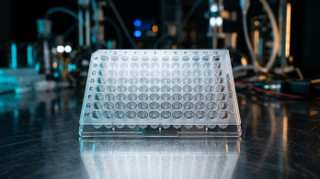
A researcher checks a 96-well plate under a microscope. The cell culture is dead. Weeks of preparation and expensive laboratory resources are gone. The researcher checks the incubator temperature, the carbon dioxide levels, and the culture medium. Everything is correct. The failure did not come fro…
Why Labs Demand 99% Purity in Research Peptides
GHK-Cu: What the Laboratory Data Actually Shows

GHK-Cu: What the Laboratory Data Actually Shows

When tracking biochemical research, a specific compound frequently appears in the literature. It is a tripeptide—a tiny protein fragment made of just three amino acids—that naturally binds to copper. In the 1970s, scientists noticed it floating in human blood plasma. Since then, it has become heavi…
GHK-Cu: What the Laboratory Data Actually Shows
GHK-Cu In-Vitro: Cellular Regeneration Examined

GHK-Cu In-Vitro: Cellular Regeneration Examined

GHK-Cu is a tripeptide that naturally binds to copper. In laboratory settings, researchers study it for its ability to signal cells. It is not a magic fix. It is a chemical compound that behaves in very specific ways when dropped into a petri dish of isolated cells. Examining the data from cellular…
GHK-Cu In-Vitro: Cellular Regeneration Examined
NAD+ Research: Tracking Cellular Energy And DNA Repair

NAD+ Research: Tracking Cellular Energy And DNA Repair

Nicotinamide adenine dinucleotide, widely known as NAD+, stands as one of the most heavily researched molecules in modern cellular biology. It exists in every living cell. In laboratory settings, researchers study this compound to understand how isolated cells generate energy and maintain their gen…
NAD+ Research: Tracking Cellular Energy And DNA Repair