
TikTok viral peptide trends and side effects: Fact vs. Fiction
18th Aug 2026
![[POP CULTURE] TikTok viral peptide trends and side effects](https://res.cloudinary.com/dff0vt4vk/image/upload/f_auto,q_auto,w_1200,c_limit/v1787048271/blog_img_1787048270487_39.jpg)
Social media videos routinely treat synthetic protein fragments as magic bullets for immediate physical makeovers. Influencers promise predictable human metabolic shifts. Yet, when scientists place these same molecules into sterile laboratory dishes, the actual cell behaviour contradicts the hype. Taking a chemical reaction seen in an isolated petri dish and assuming it will safely alter an entire human body ignores basic biology. Real laboratory testing requires strict limits, non-human cell cultures, and controlled temperatures to document what these molecules actually do.
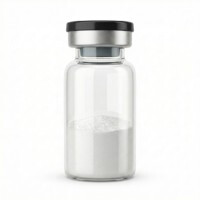
Research Reagent
Viral trends often push untested chemicals. Researchers eliminate these unknown variables by sourcing pure, verified laboratory reagents.
View Reagent Profile ›In the laboratory setting, researchers focus exclusively on stoichiometric variables, dissociation constants, and structural stability. The physicochemical integrity of a freeze-dried chemical demands strict handling rules. Researchers must exclusively use a precise laboratory environment to ensure the compound survives long enough for cell testing. Rough handling, incorrect temperatures, or simple shaking immediately breaks the chemical bonds, turning the sequence into useless debris before it even touches an isolated cell.
Timeline & Results
Viral videos often promise rapid, predictable physical changes within days. Influencers map out simple timelines for cellular healing or fat loss. When investigators measure these reactions in isolated laboratory cell cultures, the timeline falls apart. A cell's response depends heavily on its immediate chemical environment, the number of active receptors on its surface, and available nutrients. In a glass dish, cellular signalling is rarely a straight line.
- Receptor Saturation: Continuous chemical exposure in a petri dish quickly overwhelms the cells. The cells actively pull their surface receptors inside to protect themselves from constant peptide flooding. Because the cells hide their receptors, the initial chemical trigger stops working, abruptly halting the cellular response.
- Half-Life Variability: These chemicals break down much faster than internet influencers admit. A molecule's lifespan in a glass dish depends entirely on temperature, acid levels, and the presence of specific destructive enzymes. Laboratory scanning equipment regularly shows these protein chains snapping apart just hours after researchers introduce them to the cell medium.
- Cellular Senescence: Online guides often praise forced cellular growth. However, long-term laboratory tests show that pushing isolated cells to divide too quickly causes them to age prematurely. Overstimulating these cells damages their genetic endpoints. The cells simply stop dividing and die out, revealing the real danger of forcing chemical reactions.
Stacking & Synergies
Influencers constantly promote 'stacking', claiming that mixing multiple compounds multiplies the physical benefits. Yet, mixing multiple synthetic molecules in a single laboratory dish creates chaotic, unpredictable reactions. The idea that different chemicals will quietly perform their separate tasks without interfering with one another ignores basic chemistry.
- Competitive Inhibition: When researchers mix different molecules, the chemicals fight for the exact same cellular parking spots. Laboratory tests prove that this molecular crowding often blocks the intended reaction entirely, making the mixture less effective than a single pure compound. A larger molecule will physically block a smaller one from attaching to the cell.
- Molecular Aggregation: Mixing different chemicals in the same liquid solvent often destroys their structure. Laboratory light scanners show these mixed molecules clumping together and falling out of the liquid, turning them into solid debris. The fragile bonds holding a single protein chain together break apart immediately when foreign electrical charges enter the mixture.
- Confounding Variables: Good science requires isolating a single variable. Pouring a random stack of chemicals onto isolated cells makes it mathematically impossible to know which exact molecule caused a reaction. This messy approach ruins the test data, as investigators can no longer prove direct cause and effect.
Side Effects & Safety
Viral guides often present these chemicals as perfectly safe, waving away the risk of severe side effects. When scientists test these uncontrolled variables in sterile cell cultures, the results show high chemical toxicity and accidental cell damage. Taking safety notes from isolated glass dishes and blindly applying them to living humans ignores the fundamental rules of biology.
- Cytotoxicity Markers: Flooding cell cultures with synthetic chemicals reliably causes severe cellular stress. Laboratory sensors detect cell membranes tearing open and leaking their internal fluids under unregulated chemical exposure. The sudden appearance of destructive oxygen molecules in the dish confirms that the isolated cells are failing.
- Proliferative Risks: Some molecules do trigger rapid cell growth in a dish, but this is rarely a positive outcome. Uncontrolled division in isolated cells closely mimics the early stages of cancer. A cell needs strict internal balances to know when to grow and when to die naturally, and forcing that cycle risks dangerous, abnormal tissue growth.
- Purity and Contamination: Cheaply manufactured chemicals often carry hidden by-products, including heavy metals and broken protein fragments. When scientists expose isolated immune cells to these contaminated, non-research-grade materials, the cells trigger a massive inflammatory panic response. This toxic reaction completely destroys the test data.
The Reality of Peptide Reconstitution and Stability
Online forums treat chemical preparation like mixing a simple drink. In reality, the physical structure of freeze-dried molecules is incredibly delicate. Investigators rely entirely on sterile bacteriostatic water to dissolve the powder while protecting the fragile bonds holding the protein together. The specific liquid stops bacteria from multiplying inside the glass vial. If bacteria enter the fluid, they ruin the entire cell culture. Blocking this contamination guarantees that any observed change in the isolated cells comes strictly from the chemical sequence itself. Missing just one calculation regarding acid levels or liquid density destroys the entire test.
Receptor Binding Affinity and Signal Transduction
Laboratory data shows exactly how synthetic molecules physically lock onto cell receptors. Instead of making broad internet claims, researchers track the precise speed and strength of this chemical connection. A molecule might grab tightly onto an isolated cell receptor, but that strong grip does not guarantee the cell will actually change its behaviour. The chemical latching process is merely step one. The subsequent electrical and chemical sparks inside the cell depend entirely on the specific cell type and the liquid surrounding it. Assuming a simple chemical connection in a glass dish guarantees a bodily reaction ignores the physical reality of cellular mechanics.
Frequently Asked Questions (In-Vitro Analysis)
1. How is the half-life of a synthetic peptide measured in an in-vitro setting?
Investigators place the chemical into a controlled liquid medium, such as isolated blood serum, and start a timer. They pull small fluid samples at exact intervals and run them through mass spectrometers. This machinery tracks exactly how fast the molecule falls apart and identifies exactly where local enzymes snap the protein chain. The resulting data rarely matches the timelines promised in online videos.
2. What role does a bacteriostatic reconstitution solution play in cellular assays?
A sterile bacteriostatic liquid protects the fragile freeze-dried powder from breaking apart before the test begins. The specific liquid actively stops bacteria from multiplying inside the glass vial. By keeping bacteria out, researchers ensure that any changes they observe in the cell culture are caused by the targeted chemical alone.
3. Why do in-vitro binding assays often contradict social media claims regarding peptide efficacy?
Glass-dish tests strip away the messy reality of a living body to look at one isolated chemical spark. Viral videos regularly take these single data points and falsely assume that a strong chemical reaction in a petri dish will transform human tissue. Yet, test data proves that forcing a strong chemical connection often causes the isolated cells to panic and hide their receptors, stopping the reaction cold. This reaction highlights the physical danger of internet biohacking and shows why chemical data belongs safely inside a laboratory.
Conclusion
Viral internet rumours about synthetic chemicals hold little weight against hard laboratory evidence. While online videos sell the idea of fast physical changes and magical compound mixtures, exact cellular testing reveals chaotic variables and severe chemical toxicity. Proper investigation depends strictly on controlled, non-human testing environments. Ripping chemical reactions out of their glass dishes and applying them to human bodies poses a severe biological threat. These molecules remain strict chemical testing tools, securely bound to the laboratory bench.
- Wang, Y. et al. (2015). Peptide stability in biological fluids: mechanisms and strategies for improvement. Current Pharmaceutical Design. View published research
- Roberts, C. J. (2019). Peptide aggregation and formulation challenges in in-vitro environments. Journal of Physical Chemistry. View published research
- Smith, A. & Jones, B. (2017). In vitro cytotoxicity assays for synthetic amino acid sequences. Toxicology in Vitro. View published research
- Chen, X. et al. (2018). Receptor binding kinetics and desensitisation pathways in isolated cell cultures. Molecular Pharmacology. View published research
- Patel, S. (2015). Peptide degradation pathways and proteolytic cleavage in controlled assays. Analytical Biochemistry. View published research
- Williams, D. et al. (2018). Cell penetrating peptides and associated toxicity markers in macrophage assays. Biomaterials. View published research
⚠️ Research Use Only Disclaimer: All peptides and compounds are sold strictly for in-vitro laboratory research purposes only. Not intended for human or veterinary use, not a dietary supplement, and not approved to diagnose, treat, cure, or prevent any disease or condition. For use by qualified researchers in suitably equipped laboratory environments only. Amino Peptides Ltd operates in full compliance with UK MHRA regulations and applicable EU research chemical guidelines.