To understand the vast world of biochemistry, one must first understand the peptide. Often described as the "smaller cousins" of proteins, peptides are short chains of amino acids linked together by precise chemical bonds. For researchers, these molecules represent a frontier of biological signaling and cellular interaction.
The Chemical Foundation: Amino Acids
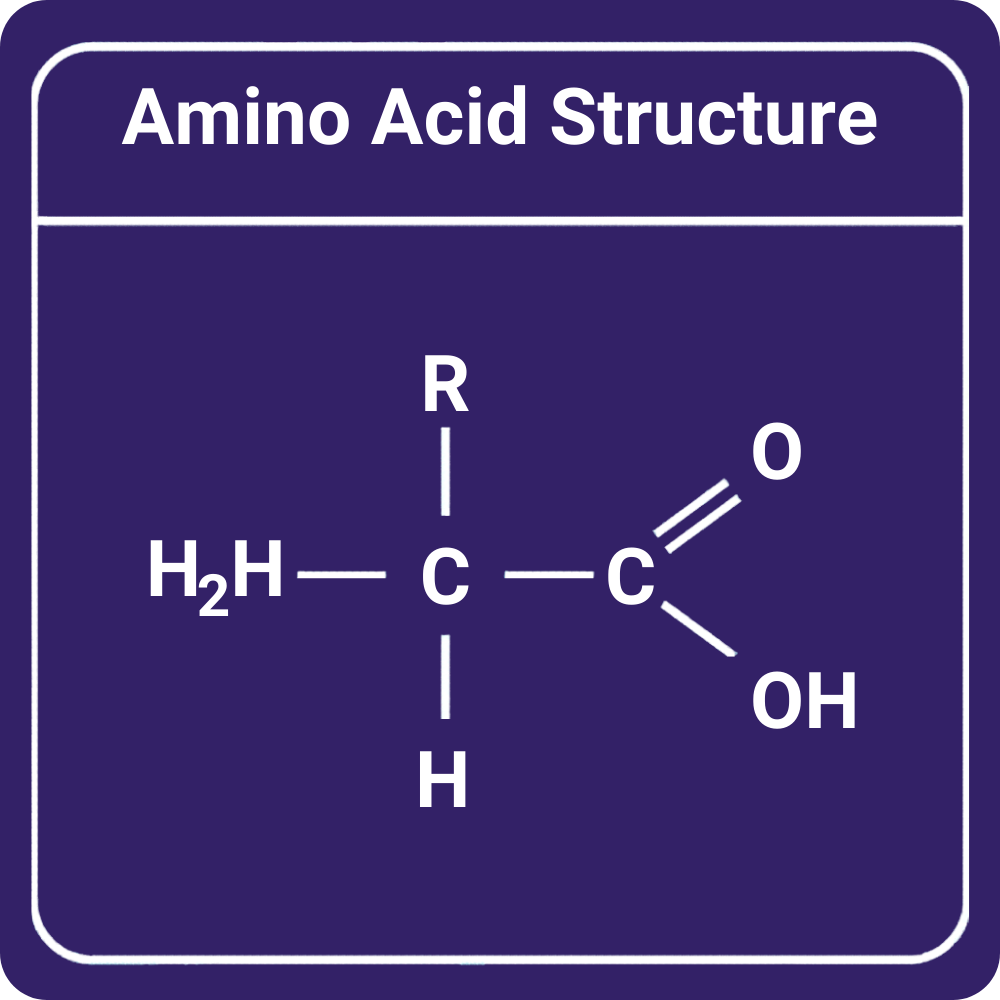
Every peptide begins with amino acids. There are 20 standard amino acids that serve as the "alphabet" of life. When these amino acids are arranged in a specific sequence, they determine the peptide's unique identity and function.
The Peptide Bond
The defining characteristic of a peptide is the peptide bond (an amide bond). This occurs through a dehydration synthesis reaction, where the carboxyl group of one amino acid reacts with the amino group of another, releasing a molecule of water (H2O).
-
Dipeptide: 2 amino acids.
-
Tripeptide: 3 amino acids.
-
Oligopeptide: A "short" chain (usually fewer than 20 amino acids).
-
Polypeptide: A long, continuous, and unbranched peptide chain.
Peptides vs. Proteins: What’s the Difference?
The primary distinction between a peptide and a protein is size and structure.
-
Size: Generally, chains shorter than 50 amino acids are classified as peptides, while longer chains are considered proteins.
-
Structure: Proteins typically fold into complex 3D shapes to perform functions, whereas peptides are often simpler and act as signaling molecules.
Why Peptides Matter in Research
In a laboratory setting, peptides are utilised to study a variety of biological processes, because they can mimic naturally occurring hormones and signaling ligands, they are invaluable for:
-
Cell Signaling Pathways: Observing how cells communicate and react to specific stimuli.
-
Structural Biology: Analysing the stability and folding of amino acid chains.
-
Receptor Ligand Binding: Investigating how molecules bind to and activate specific receptors.
Note: All products discussed and provided by Amino Peptides are intended strictly for laboratory research purposes only. They are not for human consumption or therapeutic use.
Quality and Verification
When sourcing compounds for study, the integrity of the molecular sequence is paramount. Researchers must ensure that the peptide they are testing matches the intended chemical profile.
To maintain transparency and scientific rigor, we provide detailed documentation for our library. You can review our COA's (Certificate of Analysis) for each batch to verify purity and sequence identity.