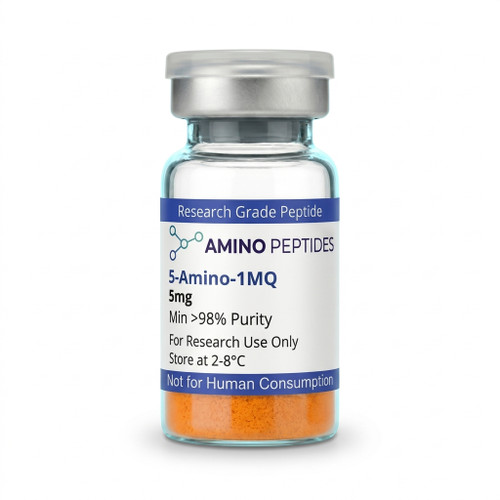


The Mito Prime Bundle represents a highly specialised collection of mitochondrial-targeting peptides designed for advanced in-vitro cellular assays. During modern peptide synthesis, these molecular structures are carefully engineered to interact directly with the inner mitochondrial membrane and electron transport chain components. As a premium research chemical, UK laboratories utilise this bundle to investigate cellular respiration, ATP production, and reactive oxygen species (ROS) modulation in isolated cell cultures. Maintaining molecular stability is critical when working with these complex peptides, requiring precise reconstitution protocols using a Bacteriostatic Reconstitution Solution to ensure structural integrity during prolonged experiments. Researchers frequently explore these mechanisms to understand mitochondrial bioenergetics, as detailed in the Mito Stack Safety Assessment Ss 31 Mots C Nad framework. Furthermore, studies on specific bundle components, such as Ss 31 Elamipretide Mitochondrial Oxidative Stress, highlight their capacity to preserve cardiolipin structures under in-vitro stress conditions. For comprehensive structural data on mitochondrial-targeting compounds, researchers can consult PubChem.
Public search data clusters around mitochondrial support and cellular energy when indexing the Mito Prime Bundle. Research trends often mention these terms in the context of isolated cell cultures and metabolic laboratory models. Amino Peptides supplies this bundle strictly as lyophilised laboratory reagents for controlled lab experiments.
- Cardiolipin domains located on the inner mitochondrial membrane, stabilising structural integrity during oxidative stress models.
- AMP-activated protein kinase (AMPK) signalling nodes, acting as a primary metabolic sensor in isolated cellular systems.
- Voltage-dependent anion channels (VDAC) and adenine nucleotide translocator (ANT) complexes within cell-free mitochondrial preparations.
- Modulates electron transport chain efficiency by optimising cytochrome c electron transfer in isolated mitochondrial fractions.
- Attenuates the production of reactive oxygen species (ROS) by preventing the structural collapse of inner membrane cristae during induced cellular stress.
- Upregulates the expression of sirtuin 1 (SIRT1) and peroxisome proliferator-activated receptor gamma coactivator 1-alpha (PGC-1α) in cultured myotubes.
- Prevents mitochondrial permeability transition pore (mPTP) opening, thereby inhibiting pro-apoptotic cytochrome c release in laboratory cell models.
Technical Specifications
Variant Breakdown
- 10mg Vial: Contains a precisely measured 10mg lyophilised solid, ideal for creating concentrated stock solutions for extensive in-vitro mitochondrial assays.
Quality Assurance
- HPLC Analysis: High-performance liquid chromatography ensures purity levels exceed 99%, confirming the absence of synthesis by-products.
- Mass Spectrometry: Verifies the exact molecular weight and structural sequence of each peptide within the bundle.
- Lyophilisation: Processed into a stable lyophilised solid to maximise shelf life and preserve peptide integrity prior to reconstitution.
- Endotoxin Testing: Rigorously screened to ensure endotoxin limits remain below 0.5 EU/mg, preventing interference in sensitive cellular models.
Research Mechanism
- Inner Membrane Binding: The peptides localise to the inner mitochondrial membrane, interacting specifically with cardiolipin to stabilise the electron transport chain.
- ROS Modulation: By optimising electron transfer efficiency, the bundle reduces the premature leakage of electrons, thereby decreasing the formation of reactive oxygen species in cellular models.
- ATP Synthesis Enhancement: Stabilisation of mitochondrial supercomplexes promotes a more efficient proton gradient, leading to increased ATP production in isolated mitochondria.
- Membrane Potential Preservation: The compounds help maintain the mitochondrial membrane potential during induced metabolic stress assays, preventing premature cellular apoptosis.
Reconstitution & Storage Data
| Peptide | Vial Strength | Solvent Added | Resulting Concentration |
| Vessel: 10mL UV-Amber Crimp Vial (500mg lyophilised mass) | |||
| NAD+ (Nicotinamide Adenine Dinucleotide) | 500mg | 5.0 mL Bacteriostatic Reconstitution Solution | 100.00 mg/mL |
| NAD+ (Nicotinamide Adenine Dinucleotide) | 500mg | 10.0 mL Bacteriostatic Reconstitution Solution | 50.00 mg/mL |
| Vessel: 3mL Borosilicate Crimp Vial (10mg lyophilised mass — max vessel capacity 3.0 mL) | |||
| MOTS-c (Mitochondrial-Derived Peptide) | 10mg | 1.0 mL Bacteriostatic Reconstitution Solution | 10.00 mg/mL |
| MOTS-c (Mitochondrial-Derived Peptide) | 10mg | 2.0 mL Bacteriostatic Reconstitution Solution | 5.00 mg/mL |
| Vessel: 3mL Borosilicate Crimp Vial (10mg lyophilised mass — max vessel capacity 3.0 mL) | |||
| 5-Amino-1MQ | 10mg | 1.0 mL Bacteriostatic Reconstitution Solution | 10.00 mg/mL |
| 5-Amino-1MQ | 10mg | 2.0 mL Bacteriostatic Reconstitution Solution | 5.00 mg/mL |
- Lyophilised (Powder): Store in a standard refrigerator (2-8°C) for up to 3 months. For long-term preservation, freeze at -20°C.
- Reconstituted (Liquid): Store at 2-8°C (Refrigerated).
Scientific References
Journal of Biological Chemistry: "Mitochondrial-targeted peptides protect against oxidative stress and mitochondrial dysfunction" View Study
Biochimica et Biophysica Acta: "Cardiolipin interactions with SS-31 and related peptides in mitochondrial membranes" View Study
Nature Communications: "Mitochondrial derived peptides in cellular metabolism and stress responses" View Study
Cell Metabolism: "MOTS-c regulates metabolic homeostasis and cellular bioenergetics" View Study
Pharmacological Reviews: "laboratory evaluation potential of mitochondrial-targeted compounds in cellular models" View Study