
AOD-9604: How This Fragment Targets Adipose Tissue Without Affecting Blood Sugar
20th Aug 2026

The structural characterisation of human growth hormone (hGH) has long fascinated researchers, particularly regarding its multifaceted role in cellular metabolism. While intact hGH influences somatic growth, carbohydrate metabolism, and lipid mobilisation, isolating these discrete functions has remained a significant challenge in molecular biology. The identification of the C-terminal domain as the primary locus for lipolytic activity led to the development of AOD-9604, a highly specialised synthetic hexadecapeptide. This modified fragment, comprising residues 177 to 191 of the native hGH sequence with an additional N-terminal tyrosine, presents a unique biochemical profile. It retains the capacity to stimulate lipid degradation in isolated adipocytes while completely lacking the structural domains responsible for receptor interactions that alter glycaemic homeostasis. Consequently, this compound has emerged as a critical reagent for investigators examining lipid metabolism without the confounding variables of insulin resistance typically associated with intact hGH exposure in cellular models.
Scientific Abstract
AOD-9604 is a synthetic peptide derivative that mirrors the lipolytic domain of human growth hormone. In vitro investigations demonstrate that this fragment selectively targets adipose tissue models, upregulating beta-3 adrenergic receptor expression and stimulating hormone-sensitive lipase activity. Crucially, structural analyses reveal that AOD-9604 lacks the binding affinity required to dimerise the human growth hormone receptor, thereby failing to activate the JAK2/STAT signal transduction pathways responsible for insulin-like growth factor 1 (IGF-1) synthesis. This functional divergence allows the peptide to accelerate lipid metabolism in isolated cell cultures without inducing the disruptions to carbohydrate metabolism and glucose tolerance frequently observed with full-length hGH administration. This article examines the biochemical mechanisms, receptor interactions, and laboratory protocols associated with AOD-9604 research.
Biochemical Structure and Conformation
The precise amino acid sequence of AOD-9604 is Tyr-Leu-Arg-Ile-Val-Gln-Cys-Arg-Ser-Val-Glu-Gly-Ser-Cys-Gly. The addition of the tyrosine residue at the N-terminus is a deliberate structural modification designed to stabilise the peptide against rapid proteolytic degradation in vitro, while also facilitating radioiodination for precise molecular tracking in binding assays. A critical feature of this molecule is the disulfide bridge formed between the cysteine residues at positions 182 and 189, which correspond directly to the native hGH sequence. This cyclic conformation is absolutely essential for maintaining the biological activity of the fragment. When this disulfide bond is reduced or disrupted, the peptide loses its structural integrity and its capacity to interact with target receptors on adipocyte membranes. Laboratory personnel must therefore maintain strict environmental controls, avoiding extreme pH fluctuations or the introduction of reducing agents during the preparation of the AOD-9604 peptide to preserve this vital secondary structure. The molecular weight of the intact, oxidised peptide is approximately 1815 Daltons, a metric routinely verified during standard laboratory quality control procedures.
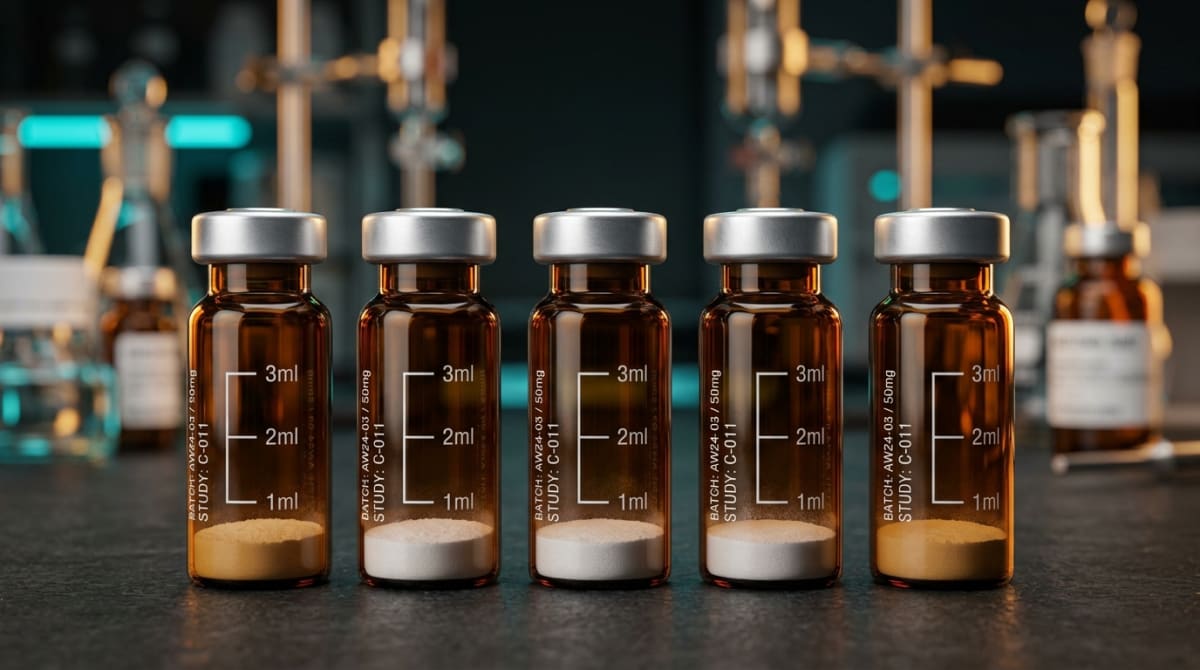
Figure 1: AOD-9604: How This Fragment Targets Adipose Tissue Without Affecting Blood Sugar.
Targeting Adipose Tissue: Cellular Mechanisms
In isolated adipocyte assays, AOD-9604 demonstrates a pronounced ability to stimulate lipolysis and inhibit lipogenesis. The primary mechanism appears to involve the upregulation of the beta-3 adrenergic receptor, a transmembrane protein predominantly expressed on the surface of white and brown adipose tissue cells. Upon binding, the peptide initiates a Gs-protein coupled intracellular signalling cascade that amplifies cyclic adenosine monophosphate (cAMP) concentrations. This cAMP surge subsequently activates protein kinase A (PKA), which phosphorylates both perilipin-1 and hormone-sensitive lipase (HSL). The phosphorylation of perilipin-1 facilitates the recruitment of adipose triglyceride lipase (ATGL) to the lipid droplet surface, while activated HSL catalyses the hydrolysis of diacylglycerols into free fatty acids and glycerol, which are then released into the culture medium. Unlike non-specific lipolytic agents that may trigger widespread cellular stress responses, AOD-9604 exhibits a high degree of tissue selectivity, preferentially targeting mature adipocytes in vitro. This targeted action makes it an invaluable tool for metabolic mitochondrial research, allowing scientists to isolate the exact variables governing lipid oxidation at the cellular level without inducing off-target receptor activation.
Preservation of Glycaemic Homeostasis
One of the most significant limitations of using intact hGH in metabolic studies is its well-documented diabetogenic effect. Full-length hGH binds to its receptor, initiating a cascade that not only stimulates cellular proliferation but also antagonises insulin action, leading to reduced glucose uptake in skeletal muscle and adipose tissue models. AOD-9604 circumvents this issue entirely due to its truncated molecular architecture. The hexadecapeptide lacks the necessary binding domains, specifically Site 1 and Site 2, required to induce the dimerisation of the hGH receptor. Without receptor dimerisation, the intracellular JAK2/STAT signalling pathway remains entirely inactive. Consequently, there is no downstream transcription of IGF-1, and no interference with the insulin receptor substrate (IRS) proteins or the phosphoinositide 3-kinase (PI3K)/AKT pathway that governs glucose transporter type 4 (GLUT4) translocation to the cell membrane. In vitro assays confirming glucose uptake rates consistently demonstrate that adipocytes and myocytes exposed to AOD-9604 maintain normal insulin sensitivity profiles. This uncoupling of lipolysis from carbohydrate metabolism provides researchers with a highly specific reagent for investigating lipid dynamics without artificially inducing cellular insulin resistance.
In Vitro Stability and Degradation Kinetics
The utility of any synthetic peptide in laboratory research is heavily dependent on its stability in aqueous environments and culture media. AOD-9604 exhibits a highly favourable stability profile compared to unmodified linear hGH fragments. The N-terminal tyrosine provides a degree of steric hindrance against exopeptidases present in cellular exudates, prolonging the half-life of the molecule in active culture. When dissolved in a bacteriostatic reconstitution solution, the peptide maintains its structural conformation for extended periods, provided it is stored at appropriate temperatures, typically between 2 and 8 degrees Celsius. Researchers must monitor the pH of the culture media carefully during prolonged incubation periods, as highly acidic or alkaline conditions can precipitate the cleavage of the disulfide bridge, rendering the fragment biologically inert. Standardisation of these environmental variables is critical for ensuring reproducible data in longitudinal metabolic assays, particularly when measuring the cumulative release of glycerol from adipocyte models over 48 to 72 hour periods.
Advanced Analytical Techniques for Peptide Verification
Ensuring the purity and structural fidelity of AOD-9604 is paramount for generating valid experimental data. Laboratories typically employ reverse-phase High-Performance Liquid Chromatography (RP-HPLC) to assess the purity of the synthetic batch, separating the target hexadecapeptide from any truncated synthesis by-products or misfolded aggregates. Following chromatography, Electrospray Ionisation Mass Spectrometry (ESI-MS) is utilised to confirm the exact molecular weight of the compound, verifying the presence of the crucial disulfide bond. The presence of this bond reduces the molecular mass by exactly two Daltons compared to the linear, reduced form of the sequence. These rigorous quality control measures are essential for distinguishing high-grade research reagents from inferior preparations that may yield anomalous results in sensitive adipocyte cultures. Researchers sourcing materials from a reputable peptide research catalogue must always review the accompanying certificates of analysis to verify these specific parameters before commencing complex cellular assays.
Frequently Asked Questions in Laboratory Research
What is the primary function of the aod-9604 peptide in vitro?
In a controlled laboratory environment, the aod-9604 peptide functions as a highly specific lipolytic agent. It is applied to isolated adipocyte cultures to stimulate the breakdown of triglycerides into free fatty acids and glycerol. Researchers utilise this compound to study the beta-3 adrenergic receptor pathways and hormone-sensitive lipase activity without triggering the complex, multi-systemic receptor cascades associated with intact human growth hormone. Its primary utility lies in its ability to isolate lipid metabolism variables from carbohydrate metabolism variables during cellular assays.
How does the mechanism of aod 9604 adipotide comparison work in cellular assays?
When conducting an aod 9604 adipotide comparative analysis in vitro, researchers observe two distinctly divergent mechanisms of action. Adipotide (prohibitin-targeting peptide 1) is a synthetic peptidomimetic designed to bind specifically to prohibitin receptors expressed on the endothelial surface of white adipose tissue vasculature, actively inducing caspase-dependent apoptosis (programmed cell death) in those endothelial cells to ablate adipose blood supply. In stark contrast, AOD-9604 does not induce cellular destruction or angiogenesis inhibition. Instead, it operates exclusively via metabolic signalling pathways, upregulating beta-3 adrenergic enzymatic activity to accelerate lipid oxidation while leaving the cellular architecture and viability of the adipocyte entirely intact.
What factors determine the aod9604 peptide cost for laboratory procurement?
The aod9604 peptide cost is primarily dictated by the complexities of its synthesis and the rigorous quality control required for research-grade materials. The solid-phase peptide synthesis (SPPS) of this hexadecapeptide requires precise sequential coupling using Fmoc-protected amino acids to prevent truncation. Furthermore, the deliberate oxidation required to form the critical disulfide bridge between Cys182 and Cys189 adds a layer of manufacturing complexity that significantly increases production expenses. Subsequent purification via preparative reverse-phase HPLC and structural verification using Electrospray Ionisation Mass Spectrometry (ESI-MS) ensure the reagent is free from synthesis by-products, truncated sequences, or endotoxins. Consequently, the cost reflects the extensive biochemical engineering necessary to produce a stable, highly pure fragment suitable for sensitive in vitro assays.
Scientific References
- Ng, F. M., et al. (2000). Involvement of the C-terminal region of human growth hormone in the regulation of lipid metabolism. View published research
- Heffernan, M., et al. (2001). The effects of human GH and its lipolytic fragment (AOD9604) on lipid metabolism following chronic administration in obese mice and beta(3)-AR knock-out mice. View published research
- Cox, H. D., et al. (2015). Detection of the human growth hormone-derived peptide AOD9604 in urine. View published research
- Stier, H., et al. (2013). Safety and tolerability of the hexadecapeptide AOD9604 in cellular and animal models. View published research
⚠️ Research Use Only Disclaimer: All peptides and compounds are sold strictly for in-vitro laboratory research purposes only. Not intended for human or veterinary use, not a dietary supplement, and not approved to diagnose, treat, cure, or prevent any disease or condition. For use by qualified researchers in suitably equipped laboratory environments only. Amino Peptides Ltd operates in full compliance with UK MHRA regulations and applicable EU research chemical guidelines.