
Dave Asprey Biohacking Peptides for Brain Fog: Separating Hype from Science
24th Aug 2026
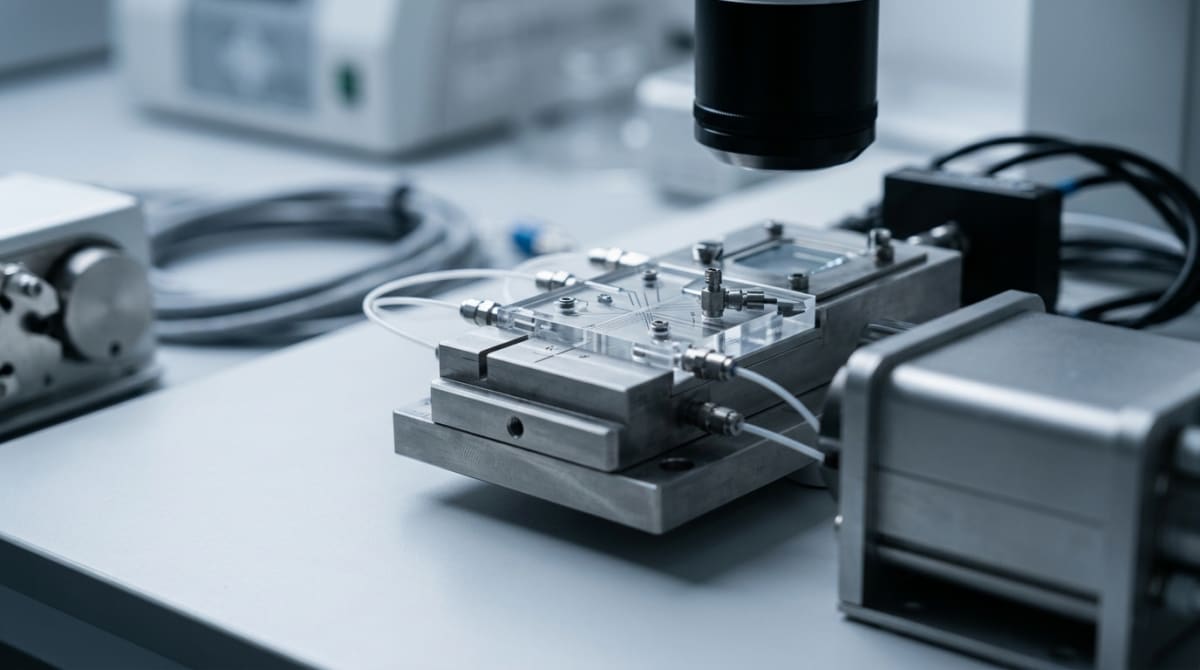
What You Need to Know About Semax Peptide
- Curious readers search this topic to see if the bold cognitive claims made on biohacking podcasts actually match up with peer-reviewed laboratory data.
- These synthetic amino acid chains work in tissue cultures by binding to nerve growth factor receptors and adjusting levels of brain-derived neurotrophic factor (BDNF).
- Published studies in rodent models show that compounds like Semax and Dihexa increase synaptic connections and alter neurotransmitter signalling in the hippocampus.
- While animal and cell models demonstrate rapid changes in gene expression related to focus and memory, strict laboratory protocols are required to analyse these unstable molecules safely.
How Brain-Focused Peptides Target Mental Cloudiness in the Lab
Published studies show that synthetic neuropeptides target mental sluggishness by boosting brain-derived neurotrophic factor and calming overactive immune cells. While popular podcasts often promise instant genius, laboratory models actually point to steady support for cellular energy and cleaner signal transmission between neurons.
Anyone who has listened to a wellness podcast over the past five years has heard big claims about clearing mental cobwebs. Dave Asprey helped bring short amino acid chains out of Russian and Eastern European academic journals and into everyday conversation. Yet when we look past the catchy soundbites, what is actually happening inside a petri dish or an animal model? In laboratory settings, researchers study cognitive sluggishness by looking at two main culprits: low mitochondrial energy output and low-grade neural inflammation. When glial cells—the support crew of the nervous system—get stuck in an irritated state, they release cytokines that slow down how fast neurons talk to each other. This biological bottleneck is what people casually call brain fog.
Two of the most discussed compounds in these conversations are Semax and Selank. Semax is a seven-amino-acid fragment derived from adrenocorticotropic hormone, stripped of its hormonal activity so it does not trigger adrenal stress responses. In preclinical models, a specific concentration of Semax rapidly increases the expression of brain-derived neurotrophic factor, commonly known as BDNF. You can think of BDNF as fertiliser for synaptic connections. It encourages existing neurons to branch out and form stronger links while helping them survive oxidative stress. At the same time, Selank—a synthetic analogue of the immune peptide tuftsin—interacts with gamma-aminobutyric acid (GABA) receptors in animal tissue. Instead of forcing the receptor open like heavy sedatives do, Selank gently adjusts how GABA binds, whilst also slowing the breakdown of natural enkephalins.
Another compound frequently mentioned by self-experimenters is Dihexa, an oligopeptide built from angiotensin IV. In cell cultures, Dihexa binds to hepatocyte growth factor (HGF) and activates the c-Met receptor system. Published studies observe that this action prompts strong spinogenesis, meaning neurons grow fresh dendritic spines where signals can land. When researchers examine these molecules in controlled environments, they are not looking at a magic switch for instant IQ points. They are observing targeted biochemical adjustments: less background inflammatory static, better blood flow through tiny capillaries, and healthier receptor density across the cell membrane.
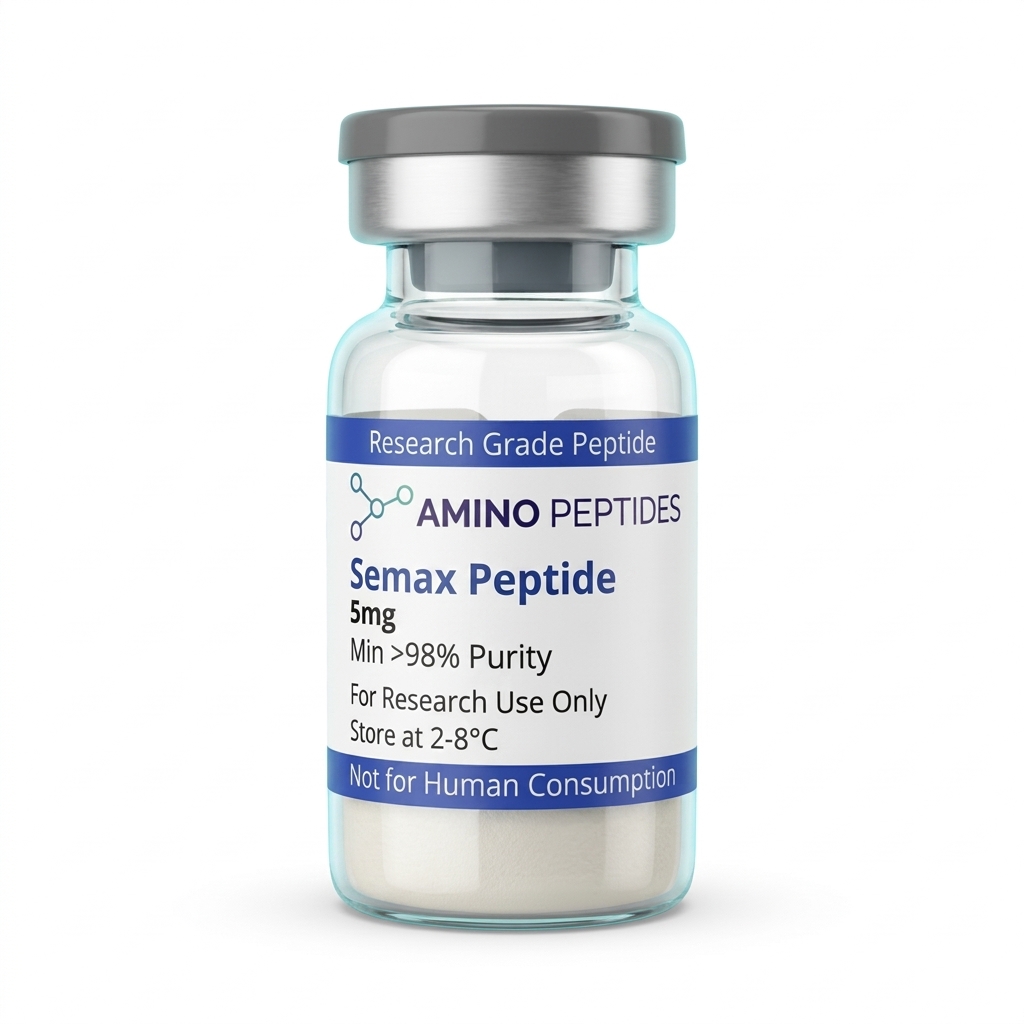
Semax Peptide
From £19
Supplied as a sealed freeze-dried vial (stable 12–24 months at 2°C–8°C in a standard refrigerator).
Shop Semax Peptide →Fast Signalling Versus Slow Structural Remodelling in Neural Studies
When scientists introduce neuropeptides into preclinical models, the resulting changes happen on two very different schedules. Understanding the split between immediate chemical signalling and long-term tissue remodelling helps explain why podcast anecdotes often clash with formal academic reports. In the laboratory, some biochemical shifts appear on instruments within fifteen to sixty minutes, whereas physical changes to neural wiring take days or weeks of repeated exposure at a measured level.
During the first phase, researchers track rapid shifts in messenger RNA (mRNA) and neurotransmitter turnover. For example, published studies on rodent brain tissue show that Semax alters BDNF and nerve growth factor (NGF) gene expression within less than an hour of contact. This early window is all about receptor engagement and second-messenger systems like cyclic AMP. If an experiment is measuring acute focus markers or stress-induced behaviour in a maze, the data reflects this fast chemical wave. Dopamine and serotonin metabolites shift quickly, giving the immediate impression of heightened alertness in behavioural assays. Selank shows a similarly brisk timeline for modulating anxiety-related gene transcripts in the amygdala and hippocampus of rodent subjects, often registering measurable changes within thirty minutes.
However, growing new physical structures in the nervous system cannot be rushed. The second phase—structural remodelling and synaptic plasticity—follows a much slower biological clock. Once BDNF or HGF signalling is triggered, the cell still has to manufacture structural proteins, transport them down the axon, and assemble new dendritic spines. In laboratory models studying recovery from simulated strokes or oxygen deprivation, researchers observe that meaningful tissue regeneration and capillary sprouting require seven to twenty-eight days of steady protocol ratios. Even potent synaptogenic compounds like Dihexa or peptide preparations like Cerebrolysin require several days in cell culture before microscopy confirms a dense network of newly formed functional synapses.
There is also the question of receptor desensitisation. If a cell membrane is flooded with too high a study amount for too long, the target receptors often pull back inside the cell wall to protect it from overstimulation. This down-regulation is a standard feature of biology. Consequently, laboratory protocols almost always cycle exposure times, watching how the tissue responds during rest periods just as closely as during active contact. Fast signalling gets the conversation started between cells, but slow structural upkeep is what actually changes the wiring diagram over time.
Biochemical Comparison of Biohacking Peptides Discussed for Cognitive Clarity
| Peptide Name | Amino Acid Length | Primary Laboratory Mechanism | Observed Preclinical Outcome |
|---|---|---|---|
| Semax | 7 amino acids (Heptapeptide) | Upregulates BDNF and TrkB receptor signalling in the hippocampus | Enhanced attention and rapid memory formation in rodent models |
| Selank | 7 amino acids (Heptapeptide) | Allosteric modulation of GABA-A receptors and enkephalin breakdown inhibition | Reduced stress-induced behaviour without sedation in animal studies |
| Dihexa | 6 amino acids (Hexapeptide derivative) | Binds to hepatocyte growth factor (HGF) and activates c-Met receptors | Markedly increased spinogenesis and synaptic connectivity in rat brain tissue |
| Cerebrolysin | Mixture of low-molecular-weight neuropeptides | Mimics endogenous neurotrophic factors to support neuronal survival | Reduced oxidative stress and improved structural recovery in porcine neural models |
| RG3 (Ginsenoside often paired with peptides) | Steroidal saponin (Non-peptide cofactor) | Modulates microglial activation and mitochondrial energy pathways | Decreased neuroinflammation markers in laboratory cell cultures |
Pairing Neuropeptides with Cellular Energy Compounds in Research
In podcasts and biohacking books, peptides are rarely discussed in isolation. Instead, they are grouped into combinations designed to tackle different angles of cellular fatigue at the same time. From a biochemical standpoint, combining compounds in a laboratory model only makes sense if each molecule works on a distinct pathway without competing for the same receptor or transport protein. When researchers study neural recovery and focus, they frequently look at how neuropeptides interact with mitochondrial support agents and anti-inflammatory sequences.
The most common laboratory pairing combines Semax with Selank. Because Semax primarily drives neurotrophic factors like BDNF and Catecholamine pathways, while Selank works through GABAergic modulation and immune cytokine balance, they do not crowd each other out at the cell surface. In preclinical models, studying these two alongside each other allows scientists to observe how stimulated alertness interacts with calm emotional regulation. Rather than pushing the nervous system purely towards excitation, the combination keeps excitatory glutamate signalling and inhibitory GABA signalling in check.
A second major area of study pairs neuropeptides with mitochondrial peptides such as SS-31 (Elamipretide) or MOTS-c. Neurons are among the most energy-hungry cells in the body, relying on thousands of mitochondria to pump out adenosine triphosphate (ATP). If the inner mitochondrial membrane becomes leaky due to oxidative damage, the cell loses power, and no amount of BDNF signalling can force a tired neuron to fire cleanly. SS-31 binds directly to cardiolipin on the inner mitochondrial membrane, stabilising the electron transport chain and reducing reactive oxygen species. When researchers examine an amolist research peptide catalogue to design multi-pathway experiments, pairing a synaptic signaller with a mitochondrial stabiliser is a logical way to study both the wiring and the power supply of the cell.
Finally, investigators often look at systemic inflammation using fragments like BPC-157 or KPV alongside cognitive peptides. Published studies on the gut-brain axis show that irritation in peripheral tissues sends inflammatory signals straight up the vagus nerve, triggering microglial activation in the brain. By studying how BPC-157 supports endothelial integrity and nitric oxide balance alongside central neuropeptides, laboratory models can separate local neural repair from whole-body inflammatory noise. Each compound handles its own job: one calms peripheral signals, one secures cellular energy, and one supports synaptic branching.

Figure: Dave Asprey Biohacking Peptides for Brain Fog: Separating Hype from Science
Reconstitution calculator
Choose a vial mass and a bacteriostatic reconstitution solution volume. The figure is the resulting concentration.
Concentration: 2.50 mg/mL
Per 0.01mL (10µL): 25.0 mcg
Open the full calculatorBacteriostatic reconstitution solutionWhy Vial Purity and Cold Storage Dictate Laboratory Accuracy
Whenever a scientific topic crosses over into mainstream popularity, a flood of poorly manufactured vials quickly follows on the open market. For anyone analysing these compounds in a controlled setting, the difference between a clean biological observation and a ruined experiment comes down to chemical purity. Synthetic peptides are built one amino acid at a time using solid-phase synthesis. If the manufacturing lab cuts corners during this step-by-step assembly, the final powder will contain truncated sequences, deletion errors, and toxic chemical leftovers that skew every single readout.
The most common contaminant found in low-grade peptide vials is trifluoroacetic acid, or TFA. Manufacturers use TFA to cleave the finished amino acid chain from its resin bead and to keep the peptide soluble during purification. However, free TFA ions are harsh on living cells. If a batch is not properly washed and converted to a safer acetate or hydrochloride salt, that residual acid will burn cell cultures, trigger false inflammatory spikes in immune assays, and ruin neural tissue samples. What looks like a failed peptide experiment is often just cellular irritation caused by leftover industrial solvents. High-Performance Liquid Chromatography (HPLC) testing to at least ninety-nine percent purity, paired with Mass Spectrometry (MS) verification, is the only way to confirm that the sequence in the vial matches the molecular weight on the label without hidden chemical debris.
Even a ninety-nine percent pure lyophilised powder will degrade rapidly if handled carelessly once it arrives at the lab bench. Delicate sequences like Semax, Selank, and vasoactive intestinal peptide (VIP) have fragile peptide bonds that break apart when exposed to heat, UV light, or rough physical shaking. Before use, the freeze-dried cake must be gently hydrated using a sterile bacteriostatic reconstitution solution, allowing the liquid to trickle down the inside glass wall rather than blasting the powder directly. Vigorous shaking creates foam and shear stress, which can unfold the three-dimensional shape of longer chains.
Once hydrated into a liquid state, temperature control is everything. Reconstituted vials must be stored consistently between 2°C and 8°C in a dedicated laboratory refrigerator. Leaving a liquid vial at room temperature for a few hours—or subjecting it to repeated freeze-thaw cycles in a standard freezer—snaps the methionine and tryptophan residues, turning an active signalling molecule into useless amino acid soup.
Frequently Asked Questions
Why are Dave Asprey biohacking peptides for brain fog so widely searched?
Public interest surges because wellness podcasters often link cognitive compounds like Semax, Selank, and Dihexa to mental clarity. However, separating hype from science requires looking at published studies rather than personal stories. Laboratory models only examine cellular signalling and neural tissue recovery in controlled animal and cell dish settings.
How fast do cognitive peptides show activity in laboratory study timelines?
In preclinical models, synthetic neuropeptides often shift gene expression and neurotrophic factor levels within 30 to 60 minutes of exposure. Over a 7 to 14 day observation period, researchers analyse how a specific protocol ratio influences synaptic plasticity, memory maze completion, and cellular stress recovery in rodent brains.
Can researchers combine multiple cognitive peptides in a single laboratory study?
Yes, laboratory investigators sometimes pair compounds like Semax and Selank to observe overlapping pathways in neural signalling. Combining agents allows scientists to characterise how different amino acid chains interact at receptor sites. Even so, mixing multiple variables makes it harder to isolate which exact molecule drives cellular regeneration.
How should research peptides be verified for purity and stored in a laboratory?
Every batch must verify at 98 percent purity or higher through third-party high-performance liquid chromatography and mass spectrometry testing. Unmixed freeze-dried powders stay stable in a laboratory freezer at minus 20 degrees Celsius. Once mixed with a bacteriostatic reconstitution solution, samples require dark fridge storage at 4 degrees Celsius.
Bibliography
- Dolotov OV et al. Semax, an analog of ACTH(4-10) with cognitive effects, regulates BDNF and trkB expression in the rat hippocampus. Brain Research. 2006. View published research
- McCoy AT et al. Evaluation of metabolically stabilized angiotensin IV analogs as procognitive agents. Journal of Pharmacology and Experimental signalling. 2013. View published research
- Volkova A et al. Selank Administration Affects the Expression of Some Genes Involved in GABAergic Neurotransmission. Frontiers in Pharmacology. 2016. View published research
- Agapova TY et al. Effect of semax on the temporary dynamics of brain-derived neurotrophic factor and nerve growth factor gene expression in the rat hippocampus and frontal cortex. Molecular Genetics, Microbiology and Virology. 2007. View published research
- Masliah E, Diez-Tejedor E. The pharmacology of neurotrophic factors: a review of experimental findings. European Journal of Neurology. 2012. View published research
⚠️ Research Use Only Disclaimer: All peptides and compounds are sold strictly for in-vitro laboratory research purposes only. Not intended for human or veterinary use, not a dietary supplement, and not approved to diagnose, treat, cure, or prevent any disease or condition. For use by qualified researchers in suitably equipped laboratory environments only. Amino Peptides Ltd operates in full compliance with UK MHRA regulations and applicable EU research chemical guidelines.