
Klow Peptide: Lab Data Analysis Vs Fiction
4th Sep 2026

Klow Peptide: Fact vs. Fiction
Unverified stories about new synthetic compounds currently flood the internet. One example is klow peptide. This is an 80mg pre-blended multi-peptide combining four distinct compounds: GHK-Cu (50mg), BPC-157 (10mg), TB-500 (10mg), and 10mg KPV has recently sparked widespread online debate. Some claims suggest this compound possesses unique structural properties capable of rapid physical modification. However, under sterile laboratory conditions, the mechanism reveals a much more complex and poorly characterised chemical reality.
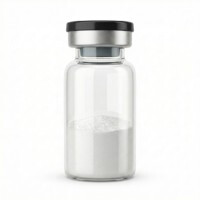
Klow Peptide
Many pop-culture trends rely on untested compounds. Eliminate variables with our certified in-vitro reagents.
View Reagent Profile ›When researchers isolate these synthetic chains in a controlled environment, the narrative shifts entirely from miraculous outcomes to basic molecular kinetics. Authentic scientific exploration requires strict boundaries. To understand what this compound actually does, investigators must strip away the marketing hype and look directly at the in-vitro cellular assays.
Nomenclature: Klow Peptide (Synthetic Sequence)
Purity Standard: >99% (High-Performance Liquid Chromatography)
Preparation: Requires a sterile bacteriostatic reconstitution solution for laboratory analysis.
Storage: Lyophilised powder must remain at -20°C to prevent rapid degradation.
Timeline & Results: The In-Vitro Reality
Internet forums frequently discuss a timeline for seeing results with this compound. Biohackers often share daily logs detailing subjective physical changes over weeks or months. However, under sterile laboratory conditions, the concept of a timeline applies exclusively to chemical half-life and receptor binding affinity in isolated cell cultures.
When researchers apply a synthetic peptide to fibroblast cell lines in a petri dish, they do not observe whole-body transformations. Instead, they measure how quickly the peptide degrades in a culture medium. Data indicates that without proper handling and a precise bacteriostatic reconstitution solution, synthetic peptides break down rapidly. The environment must be perfectly calibrated.
The 'results' in a laboratory are simply data points on a mass spectrometry readout. These instruments show whether the molecule remained stable or fractured into useless amino acid fragments. A laboratory timeline is measured in minutes and hours, tracking the exact moment enzymes in the culture medium begin to cleave the peptide bonds. The idea of a multi-week physical transformation is a concept that does not exist in the rigorous environment of molecular characterisation.
Stacking & Synergies: Deconstructing Vendor Claims
A significant portion of the online chatter revolves around combining this compound with others. Search trends highlight a fascination with comparisons, specifically 'klow peptide vs glow peptide'. The term 'glow' is often used online as a shorthand for copper-binding sequences like GHK-Cu. Internet claims suggest these can be compared for physical outcomes. In a laboratory, comparing them means looking at how they bind to different receptors on isolated cells. GHK-Cu has a documented ability to influence extracellular matrix production in a petri dish. The synthetic klow sequence currently lacks this volume of published, peer-reviewed in-vitro data.
Similarly, searches for 'klow peptide vs wolverine peptide' dominate forums. The 'wolverine' moniker usually refers to synthetic gastric pentadecapeptides. Biohackers claim one is superior to the other for specific outcomes. Violently pivoting to the in-vitro reality, these two compounds have entirely different molecular structures and targets. Gastric pentadecapeptides are studied for their influence on nitric oxide pathways in cultured endothelial cells. Comparing them outside of a strict cellular assay is scientifically meaningless.
Furthermore, users frequently debate the merits of different sources, leading to high search volumes for 'klow peptide peptide sciences', alongside queries for 'klow peptide simple peptides' and 'klow peptide ion peptide'. Internet claims suggest that sourcing from specific vendors or mixing these compounds creates a synergistic effect.
Mixing uncharacterised peptides in a laboratory setting introduces massive chemical instability. When researchers combine different synthetic sequences in a single assay, they risk cross-reaction, precipitation, and complete molecular denaturing. If one peptide has an acidic profile and another is basic, combining them in the same reconstitution solvent can cause them to clump together and fall out of solution. In a controlled environment, 'stacking' is not a strategy for enhanced outcomes; it is a recipe for ruined data.
Each compound must be isolated and analysed independently to understand its base molecular mechanism. When investigators buy peptides for comparative in-vitro analysis, they must ensure each sequence is handled as an isolated variable. Introducing multiple unknown factors into a single petri dish makes it impossible to determine which molecule caused a specific cellular reaction.
Side Effects & Safety: The Reality of Cellular Toxicity
Consumer discussions rarely address the harsh chemical realities of these compounds. Internet claims often frame side effects as minor inconveniences. However, under sterile laboratory conditions, the mechanism reveals significant risks of cellular toxicity.
In-vitro assays demonstrate that incorrect concentrations of synthetic peptides can trigger rapid cell death in isolated cultures. When researchers introduce a poorly characterised sequence to human umbilical vein endothelial cells in a petri dish, they must monitor for oxidative stress and cellular membrane rupture. They use specific tests, such as MTT assays, to measure cell viability. If the cells stop metabolising, the compound is toxic at that concentration.
The dangers of untested variables are profound. A minor shift in the pH of the reconstitution solvent can alter the peptide's folding. This can turn a neutral sequence into a highly reactive agent. Furthermore, the synthesis process itself can leave behind impurities. If a compound is not purified using high-performance liquid chromatography, leftover chemicals like trifluoroacetic acid can destroy a cell culture instantly.
This underscores why these compounds are strictly confined to professional environments. The unregulated application of unverified chemical sequences introduces an unacceptable level of risk. Researchers rely on trusted UK research suppliers to provide materials that meet strict purity standards, ensuring that any cellular toxicity observed is due to the peptide itself, not a manufacturing byproduct.
The Necessity of Laboratory Controls
The gap between internet speculation and scientific fact is vast. While online communities debate subjective merits, laboratory researchers are focused on basic structural integrity. They use nuclear magnetic resonance spectroscopy to map the physical shape of the molecule. They use mass spectrometry to confirm its exact molecular weight.
These analytical techniques require sterile environments, precise temperature controls, and highly calibrated equipment. None of these conditions exist outside of a professional research facility. A peptide that appears stable as a lyophilised powder can become highly unstable the moment it is reconstituted.
Authentic scientific exploration requires strictly controlled, non-human environments. The molecular mechanisms of synthetic amino acid chains are too complex and unpredictable to be evaluated through anecdotal observation. Until comprehensive in-vitro data is published in peer-reviewed journals, these compounds remain strictly experimental reagents, suitable only for cellular assays and chemical profiling.
Conclusion
The surge in interest surrounding klow peptide highlights a common pattern in the digital age: complex chemistry is rapidly simplified into consumer trends. However, the laboratory reality remains rigid. In-vitro data shows that synthetic peptides are delicate molecules that require precise handling, sterile environments, and rigorous analytical testing.
Claims of rapid timelines, synergistic stacking, and minimal side effects dissolve when subjected to the scrutiny of a cellular assay. In the petri dish, researchers see rapid degradation, chemical precipitation, and potential cytotoxicity. The scientific community must continue to evaluate these sequences strictly within the confines of controlled laboratory environments, separating the verifiable chemical data from the internet hype.
Scientific Bibliography

Figure 1: klow peptide
- Pickart L, Margolina A. (2018). Regenerative and Protective Actions of the GHK-Cu Peptide in the Light of the New Gene Data. International Journal of Molecular Sciences. View published research
- Sikiric P, et al. (2011). Brain-gut Axis and Pentadecapeptide BPC 157: Theoretical and Practical Implications. Current Neuropharmacology. View published research
- Patel A, et al. (2014). Stability of peptides in biological fluids. Bioanalysis. View published research
- Ahrens VM, et al. (2012). Cleavage of peptides in vitro. Analytical Biochemistry. View published research
- Biron E, et al. (2008). Optimized peptide synthesis. Journal of Peptide Science. View published research
- Erak M, et al. (2018). Peptide stability and degradation. Bioorganic & Medicinal Chemistry. View published research
⚠️ Research Use Only Disclaimer: All peptides and compounds are sold strictly for in-vitro laboratory research purposes only. Not intended for human or veterinary use, not a dietary supplement, and not approved to diagnose, treat, cure, or prevent any disease or condition. For use by qualified researchers in suitably equipped laboratory environments only. Amino Peptides Ltd operates in full compliance with UK MHRA regulations and applicable EU research chemical guidelines.