
The Synergistic Potential of BPC-157 in Ligament Research
12th Aug 2026
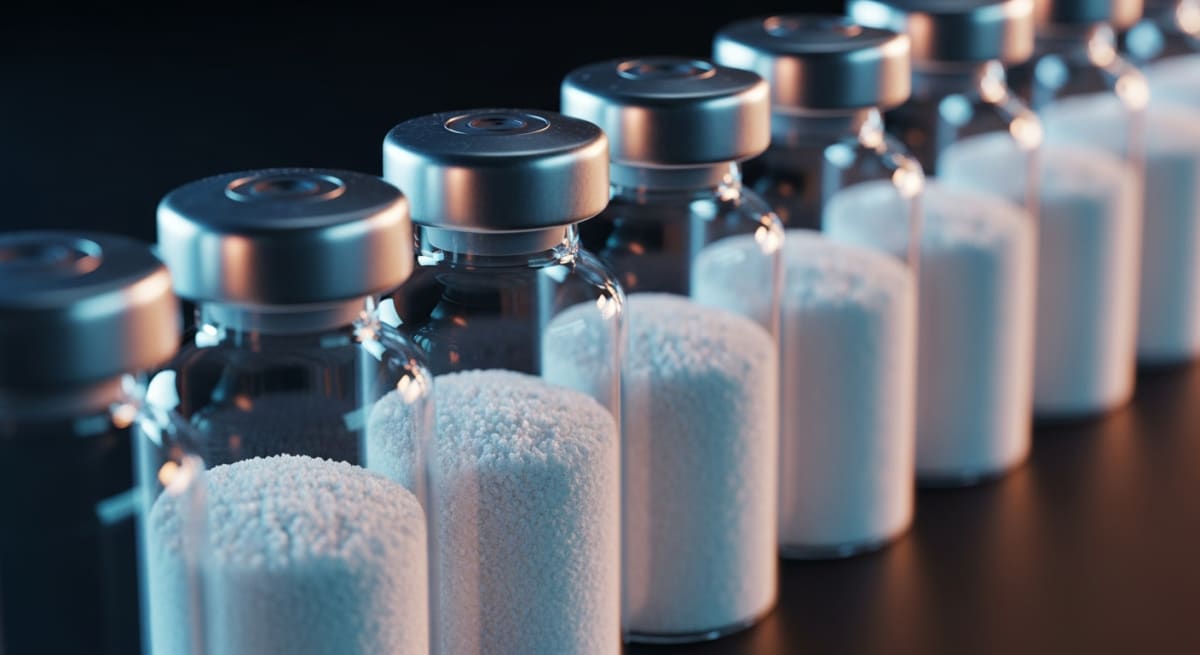
Researchers test synthetic peptides in isolated laboratories to understand connective tissue repair. The pentadecapeptide BPC-157 is a sequence of 15 amino acids derived from a gastric protein. Scientists study this compound in controlled cellular assays. They want to see how it changes the physical structure, protein matrix, and cell behaviour of isolated ligament tissue.
Ligaments contain tight bundles of collagen and specialised cells called fibroblasts. In a living body, they connect bones and provide stability. When under extreme stress, this structure can break down. Scientists use laboratory cell cultures to test how chemical compounds affect these cells outside of a living organism. Adding the pentadecapeptide to isolated fibroblast dishes shows researchers how it changes cell division and protein production.
Laboratories use a scratch assay to measure how cells move. Researchers grow a flat layer of ligament fibroblasts and scratch a line through the middle to create an empty gap. They then add the peptide to the liquid medium and record how fast the cells move to close the space. Laboratory data shows the compound speeds up this gap closure compared to untreated control cells. This faster movement happens because the internal skeleton of the cell reorganises itself.
Biochemical tests show the peptide alters the focal adhesion kinase (FAK) and paxillin signalling pathways. FAK is an enzyme that helps cells stick to surfaces and move. When activated, FAK creates binding sites for other molecules, including a protein called paxillin. This process builds focal adhesions. These are multi-protein links that connect the inside of the cell to the outside matrix. By increasing the activity of these pathways, the compound gives fibroblasts the physical traction they need to pull themselves across a petri dish.
Researchers continue to test exactly how this peptide changes cell movement.
Cell movement is only one part of ligament research. Scientists also track how cells produce matrix proteins. Ligament strength requires an exact ratio and alignment of type I and type III collagen fibres. When researchers add the pentadecapeptide to cell cultures, the fibroblasts increase the expression of COL1A1 and COL3A1 genes. These genes control collagen production. The peptide also helps arrange the new collagen into a parallel pattern. This organised alignment mimics the structure of natural ligament tissue under a microscope.
Laboratories often test synthetic peptides together to record combined cellular reactions. One common test mixes the pentadecapeptide with Thymosin Beta-4 (TB-500). The pentadecapeptide targets the FAK and paxillin pathways to increase collagen and cell movement. TB-500 works differently. It binds to a protein called G-actin and manages how it forms the internal skeleton of the cell. Combining these two mechanisms in one research reagent allows scientists to change both the inside structure of the fibroblast and how it grabs onto its surroundings.

Laboratory tests require strict quality control to produce valid data. The purity of synthetic peptides is essential. Chemical contaminants, broken amino acid chains, or leftover manufacturing liquids can ruin an experiment. Researchers use advanced machines, like high-performance liquid chromatography (HPLC) and mass spectrometry (MS), to check the physical structure of the compound. Standard laboratory rules require scientists to review a specification sheet before starting a test. This document confirms the batch contains no endotoxins that might trigger a false inflammatory reaction in the cell culture.
Angiogenesis is the biological process of building new blood vessels. Ligaments usually have very little blood flow. However, temporary microvascular networks sometimes form when isolated tissue is recovering. Scientists use human umbilical vein endothelial cells (HUVECs) to test this process in petri dishes. These cellular models show the pentadecapeptide increases the production of Vascular Endothelial Growth Factor (VEGF) and its matching receptor. VEGF is a signalling protein that triggers the construction of new blood vessels. By increasing this protein, the peptide alters the local vascular environment in cell cultures.
In-Vitro Research Enquiries and Analytical Perspectives
How do researchers isolate the effects of the compound on bpc 157 knee ligaments in vitro?
To study specific knee structures, researchers extract primary fibroblasts directly from isolated anterior cruciate ligament (ACL) samples. They grow these cells in a sterile laboratory dish. Scientists then add the peptide to the fluid medium. This lets them measure exact changes in cell division, collagen type I production, and matrix protein deposits without systemic interference from a living body.
What are the primary biomarkers used to assess bpc 157 ligament regeneration potential in laboratory models?
Laboratory analysts measure specific molecular biomarkers to track tissue responses. They measure levels of transforming growth factor-beta (TGF-beta) and VEGF. They also view the physical alignment of newly formed collagen under microscopes. Finally, testing for matrix metalloproteinases (MMPs) shows the balance between matrix breakdown and protein synthesis in isolated cells.
What is the current consensus on bpc 157 receptor chem and its binding affinity?
The exact receptor chemistry of this pentadecapeptide requires more testing. Current laboratory data shows the compound does not attach to a single, traditional cell-surface receptor. Instead, it changes internal signalling pathways indirectly. It interacts with the cellular nitric oxide (NO) system and changes the expression of early growth response gene 1 (EGR-1). Because it hits multiple targets, standard receptor binding assays are difficult to run.
Are there specific protocols for sourcing materials for bpc 157 london based laboratories?
Laboratories operating in the capital follow strict rules for buying chemicals. All synthetic peptides must come from chemical suppliers who provide complete analytical paperwork. This includes HPLC chromatograms and mass spectrometry reports. These documents prove the exact molecular weight and purity of the compound before an in-vitro experiment begins.
How does the regulatory framework impact bpc 157 uk research initiatives?
Current regulations require all investigations of this compound to remain strictly non-clinical. The MHRA classifies the substance as a chemical reagent for laboratory research only. Scientists must design experiments that stay entirely within in-vitro boundaries. All protocols must use isolated cellular assays or biochemical tests to prevent any prohibited in-vivo application.
Ongoing laboratory tests clarify how this pentadecapeptide changes cell movement and matrix synthesis. As analytical machines improve, scientists will map the internal signalling pathways of fibroblasts more accurately. Testing multiple synthetic peptides together in isolated environments allows researchers to study complex cellular changes safely. This strict in-vitro approach provides measurable data for connective tissue research.
Scientific Bibliography
- Sikiric P, et al. (2006). Toxicity by NSAIDs. Counteraction by amlodipine, BPC 157, and L-arginine. View published research
- Chang CH, et al. (2011). The promoting effect of pentadecapeptide BPC 157 on tendon regeneration involves tendon outgrowth, cell survival, and cell migration. View published research
- Tkalcević VI, et al. (2007). Enhancing effect of pentadecapeptide BPC 157 on muscle regeneration. View published research
- Gwyer D, et al. (2019). Gastric pentadecapeptide BPC 157 and its role in endothelial nitric oxide synthase activation. View published research
- Vukojevic J, et al. (2018). Pentadecapeptide BPC 157 and the central nervous system. View published research
- Hsieh HL, et al. (2017). BPC 157 promotes the regeneration of transected Achilles tendon in rats. View published research
- Seiwerth S, et al. (2018). BPC 157 and Standard Angiogenic Growth Factors. View published research
⚠️ Research Use Only Disclaimer: All peptides and compounds are sold strictly for in-vitro laboratory research purposes only. Not intended for human or veterinary use, not a dietary supplement, and not approved to diagnose, treat, cure, or prevent any disease or condition. For use by qualified researchers in suitably equipped laboratory environments only. Amino Peptides Ltd operates in full compliance with UK MHRA regulations and applicable EU research chemical guidelines.
Independent, batch-specific documentation for BPC-157 & TB-500 Blend (1:1) |, & — reviewed prior to publication for in-vitro laboratory research and molecular stability reference.