
Neuropeptide Research: How ACTH 1-39 Influences Adrenal Response
10th Jul 2026
What You Need to Know About Neuropeptide Research: How ACTH 1-39 Influences Adrenal Response
- Researchers study ACTH 1-39 to understand how the pituitary gland communicates with the adrenal cortex during physical or environmental stress.
- The peptide acts like a molecular key that unlocks melanocortin-2 receptors on adrenal cells to trigger steroid hormone synthesis.
- Published studies in preclinical models show that the first 24 amino acids drive biological activity while the remaining 15 stabilise the molecule.
- Laboratory investigations also explore how smaller fragments of this neuropeptide interact with brain receptors to influence focus and neural recovery.
How Full-Length ACTH 1-39 Drives Adrenal Cellular Energy and Signalling
ACTH 1-39 is a thirty-nine amino acid peptide that binds directly to melanocortin type 2 receptors on the outer layer of the adrenal cortex to switch on cellular energy production and steroid synthesis. In published studies, this binding action triggers a fast rise in internal cyclic AMP that wakes up dormant mitochondrial enzymes and drives the conversion of cholesterol into active adrenal hormones.
When researchers examine Neuropeptide Research: How ACTH 1-39 Influences Adrenal Response, they look closely at how the peptide is built. The full chain has two distinct working regions that split the job between activation and docking. The first twenty-four amino acids at the front end carry the active message that switches the receptor on. Meanwhile, the remaining fifteen amino acids at the tail end act like an anchor, protecting the front end from rapid breakdown by enzymes in the surrounding fluid. Because both parts are present in the complete 1-39 sequence, the peptide stays attached to its target long enough to produce a steady, reliable signal in cell cultures.
The main target for this full-length chain is the melanocortin type 2 receptor, often shortened to MC2R. Unlike the other four members of the melanocortin receptor family, which respond to a wide variety of smaller pigment-stimulating peptides, MC2R is extremely picky. It only opens up when ACTH 1-39 or its active twenty-four-amino-acid core arrives alongside a helper protein called MRAP, which stands for melanocortin 2 receptor accessory protein. Without MRAP sitting right next to the receptor on the cell surface, ACTH 1-39 cannot lock into place. Once the peptide docks into this paired pocket, the receptor changes shape and wakes up an internal G-protein. This activates an enzyme called adenylyl cyclase, which floods the inside of the adrenal cell with cyclic adenosine monophosphate, known simply as cAMP.
That spike in cAMP acts as the main spark for cellular energy inside the adrenal cortex. It turns on protein kinase A, which adds phosphate groups to a transport protein called StAR, or steroidogenic acute regulatory protein. Under quiet baseline conditions, adrenal cells store plenty of raw cholesterol in tiny lipid droplets, but that cholesterol cannot cross the double wall of the mitochondria on its own. Activated StAR acts as a ferry, moving raw cholesterol from the outer mitochondrial membrane to the inner membrane. Once inside the mitochondria, an enzyme called P450scc snips the side chain off the cholesterol molecule, turning it into pregnenolone. From there, the cell quickly converts pregnenolone into glucocorticoids, mineralocorticoids, and adrenal androgens, completing the classic adrenal response observed in laboratory models.
ACTH 1-39 is not stocked as its own vial. Semax, an ACTH 4-10 heptapeptide analogue, and Selank are the closest stocked neuropeptides for next-day UK dispatch.
Browse Full UK Peptide Catalogue →What Published Studies Observe Across Early and Late Adrenal Timelines
In laboratory models examining how adrenal tissue reacts to ACTH 1-39, the observed outcomes split cleanly into two distinct phases: an immediate biochemical flash and a slower, structural build-up. Because adrenal cells do not store large pools of finished steroid hormones in advance, they have to manufacture them on demand the moment the chemical signal arrives. Published studies tracking isolated adrenal cortex cells show that the very first stage begins within thirty to one hundred and twenty seconds of introducing a measured level of the peptide into the culture dish.
During these first few minutes, researchers record a sharp surge in intracellular cAMP levels, followed immediately by the phosphorylation of existing StAR proteins floating in the cytoplasm. By the five-to-fifteen-minute mark, cholesterol is already moving across the mitochondrial membrane, and newly minted glucocorticoids begin leaking out of the cell into the surrounding medium. This rapid phase relies entirely on enzymes and proteins that were already sitting inside the cell before the experiment started. It is a fast, clean biochemical reflex that requires zero new gene expression to get off the ground. In short-term washout experiments, if the peptide is rinsed away after twenty minutes, cAMP levels drop back toward baseline within an hour, and hormone output slows down shortly after.
When published studies extend the exposure window from hours to several days, the nature of the adrenal response changes from simple enzyme activation to deep tissue remodelling. Between two and six hours after initial contact, the sustained protein kinase A signal travels into the cell nucleus. There, it switches on transcription factors that read the DNA instructions for building fresh P450 enzymes, extra LDL cholesterol receptors, and new copies of the MC2R receptor itself. Instead of just using up existing supplies, the cell upgrades its internal factory capacity so it can pull in more raw cholesterol from the outside fluid and process it at a higher rate.
Across twenty-four to seventy-two hours of repeated pulse protocols in preclinical models, structural adaptations become visible under standard microscopy. The mitochondria inside the zona fasciculata cells grow larger and pack in denser inner folds, giving the P450 enzymes more physical surface area to work on. At the same time, the endoplasmic reticulum expands to handle the heavier traffic of steroid precursors moving back and forth. Interestingly, published studies also note that continuous, non-stop exposure to high concentrations can eventually trigger receptor internalisation, where the cell pulls some MC2R units back inside to prevent exhaustion, whereas timed pulses keep receptor sensitivity steady over multi-day observation periods.
Comparison of ACTH 1-39 and Related Melanocortin Peptides in Laboratory Research
| Peptide Variant | Amino Acid Length | Primary Receptor Target | Main Research Focus in Preclinical Models |
|---|---|---|---|
| ACTH 1-39 (Full-Length) | 39 residues | MC2R (plus MC1R, MC3R, MC4R, MC5R) | Endogenous adrenal cortex signalling, glucocorticoid release, and structural stability. |
| ACTH 1-24 (Cosyntropin) | 24 residues | MC2R (high affinity) | Rapid adrenal response assays and short-term steroidogenesis mapping. |
| ACTH 4-10 | 7 residues | MC3R and MC4R (no MC2R activity) | Central nervous system signalling, memory retention, and neural regeneration without adrenal activation. |
| Alpha-MSH (ACTH 1-13 analogue) | 13 residues | MC1R, MC3R, MC4R, MC5R | Pigmentation pathways, inflammatory signalling modulation, and energy homeostasis. |
| Semax (ACTH 4-7 Pro-Gly-Pro) | 7 residues | Melanocortin and neurotrophic pathways | Brain-derived neurotrophic factor (BDNF) expression and neuroprotection in rodent models. |
Pairing ACTH 1-39 With Complementary Peptides in Endocrine Protocols
In isolation, ACTH 1-39 gives researchers a clear look at the bottom rung of the hypothalamic-pituitary-adrenal ladder, but pairing it with complementary compounds allows investigators to map how different branches of the stress and focus systems talk to each other. In published studies, scientists frequently combine full-length ACTH 1-39 with shorter fragments, upstream releasing factors, or synthetic analogues to separate direct adrenal output from central nervous system feedback. When designing these multi-agent protocols, investigators often browse both cognitive research peptides and specific peptide hormones for comparative receptor mapping across different tissue types.
One of the most common side-by-side pairings in laboratory models involves running full-length ACTH 1-39 alongside its truncated cousin, ACTH 1-24, or small heptapeptide fragments such as Semax, which is built from the ACTH 4-10 core. Because the 4-10 sequence carries the message for melanocortin receptors found in brain tissue—specifically MC3R and MC4R—it influences focus, memory formation, and BDNF expression without able to unlock the adrenal MC2R receptor on its own. By comparing or combining ACTH 1-39 with ACTH 4-10 derivatives in parallel assays, researchers can distinguish which downstream cellular changes come from peripheral steroid release and which ones come straight from direct melanocortin signalling in neural cells.
Another productive combination in endocrine research pairs ACTH 1-39 with Corticotropin-Releasing Hormone, known as CRH, and Arginine Vasopressin, or AVP. In a complete biological system, CRH and AVP work together at the pituitary level to trigger the release of natural ACTH, which then travels down to the adrenal cortex. In co-culture or sequential study protocols, applying CRH and AVP alongside measured levels of ACTH 1-39 allows researchers to study the negative feedback loop in real time. As the adrenal cells respond to ACTH 1-39 by pumping out glucocorticoids, those newly produced steroids feed back onto the pituitary cells in the assay, showing exactly how fast the upstream receptors dial down their own activity.
Researchers also pair ACTH 1-39 with melanocortin peptides like alpha-MSH or synthetic analogues such as Melanotan II when testing receptor cross-reactivity across mixed cell populations. Since ACTH 1-39 shares its first thirteen amino acids with alpha-MSH, it can bind not only to adrenal MC2R but also to MC1R, MC3R, MC4R, and MC5R if the concentration is high enough. Running competitive binding assays with selective melanocortin blockers helps laboratory teams isolate the exact contribution of each receptor subtype during complex cellular energy and tissue recovery studies.
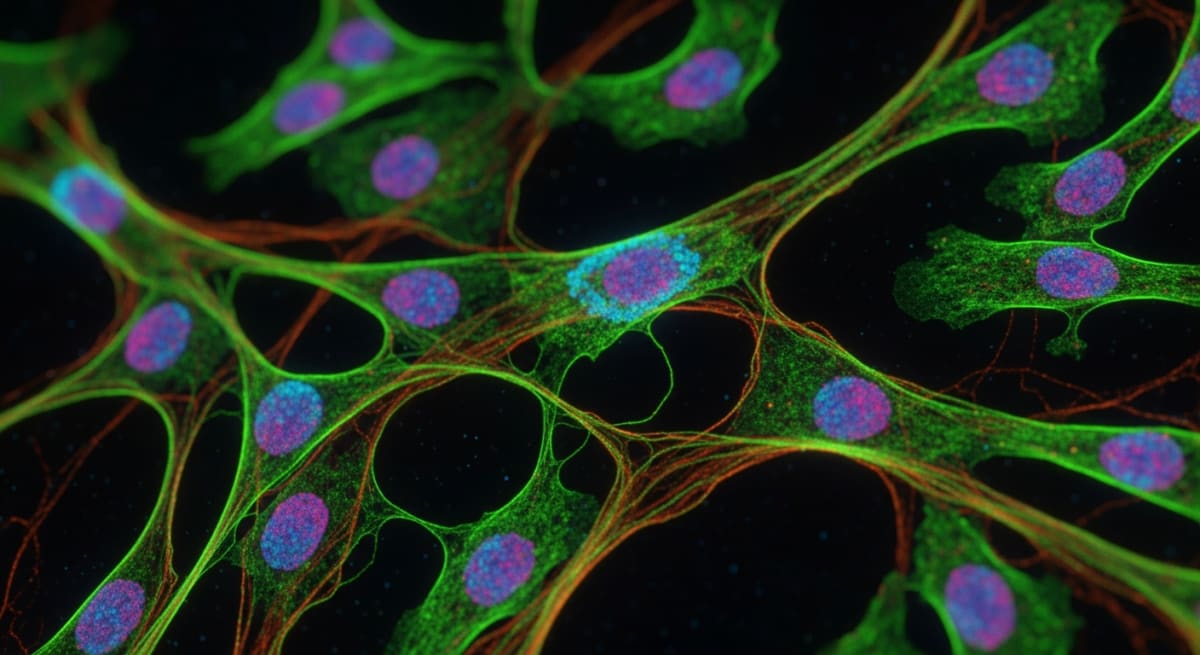
Figure: Neuropeptide Research: How ACTH 1-39 Influences Adrenal Response
Why 99%+ HPLC Purity and Cold Storage Matter for a 39-Amino-Acid Chain
Working with a thirty-nine amino acid chain requires much stricter quality standards than handling short three- or four-amino-acid peptides. Every time an automated synthesiser adds another amino acid link to a growing chain, there is a small statistical chance that a single molecule misses a step, creating a truncated thirty-eight or thirty-seven amino acid impurity. Over thirty-nine consecutive couplings, those tiny errors can easily pile up if the purification process is rushed. That is why sourcing ACTH 1-39 verified at ninety-nine percent or higher purity via High-Performance Liquid Chromatography, along with Mass Spectrometry confirmation, is the only way to be sure the vial actually contains the complete, intact 1-39 sequence rather than a messy soup of broken fragments.
Clean salt chemistry is just as important as sequence length when fragile adrenal or neural cell cultures are on the line. During solid-phase synthesis, manufacturers use trifluoroacetic acid, or TFA, to cleave the finished peptide from its resin bead and strip away protective side-chain guards. If residual TFA is left clinging to the freeze-dried powder, it lowers the pH of the liquid upon reconstitution and proves harsh on living cell membranes, often slowing down mitochondrial respiration and skewing cAMP readouts. Premium research batches go through an extra ion-exchange step to swap out toxic TFA ions for benign acetate or chloride salts, ensuring that any observed jump in cellular energy comes purely from the peptide binding to MC2R rather than acid stress from leftover manufacturing chemicals.
Because ACTH 1-39 contains a methionine residue at position four and several basic lysine and arginine residues in its central docking region, the molecule is sensitive to heat, light, and oxidation. If that methionine at position four oxidises into methionine sulfoxide due to warm storage, the peptide loses a huge fraction of its biological activity at the adrenal receptor. Before mixing, the lyophilised powder should stay stored in a freezer at minus twenty degrees Celsius away from bright light. Once reconstituted with a sterile bacteriostatic reconstitution solution, the vial must live in a standard laboratory refrigerator between two degrees Celsius and eight degrees Celsius.
When adding liquid to the vial, let the bacteriostatic reconstitution solution trickle gently down the inside of the glass wall rather than squirting it straight onto the powder cake, and swirl the vial slowly until clear. Shaking a thirty-nine amino acid polypeptide creates foam at the air-water surface, which can unfold the delicate shape of the chain and cause the molecules to clump together into inactive aggregates.
Frequently Asked Questions
Why is ACTH 1-39 so widely searched in neuropeptide research?
Researchers investigate ACTH 1-39 because it serves as the primary chemical messenger controlling the adrenal cortex in laboratory models. Published studies focus on how this thirty-nine amino acid chain binds to melanocortin receptors, helping scientists characterise stress signalling pathways, steroid production, and cellular recovery mechanisms under controlled experimental conditions.
How quickly does ACTH 1-39 trigger an adrenal response in laboratory models?
Published studies show that ACTH 1-39 initiates cellular signalling within three to five minutes of introduction in preclinical models. Peak steroid hormone output typically appears between fifteen and thirty minutes later, before natural enzymes rapidly break the peptide down and return baseline measurements to normal within two hours.
Can ACTH 1-39 be combined with other peptides in experimental protocols?
Scientists frequently pair ACTH 1-39 with corticotropin-releasing hormone or shorter melanocortin fragments to observe overlapping receptor behaviour in vitro. Combining these compounds allows researchers to analyse whether different protocol ratios amplify adrenal signalling or compete for the same binding sites during complex tissue remodelling and stress response experiments.
How should lyophilized ACTH 1-39 be stored to maintain high purity?
Unreconstituted ACTH 1-39 powder must be stored in a laboratory freezer at minus twenty degrees Celsius to prevent degradation. Once mixed with a bacteriostatic reconstitution solution for an experiment, the liquid should stay refrigerated between two and eight degrees Celsius and be analysed within seven to ten days.
Bibliography
- Gallo-Payet N, Payet MD. Mechanism of action of ACTH: beyond cAMP. Microscopy Research and Technique. 2003;61(3):275-287. View published research
- Mountjoy KG, Robbins LS, Mortrud MT, Cone RD. The cloning of a family of genes that encode the melanocortin receptors. Science. 1992;257(5074):1248-1251. View published research
- Cone RD. Studies on the physiological functions of the melanocortin system. Endocrine Reviews. 2006;27(7):736-749. View published research
- Cooray SN, Clark AJ. Melanocortin receptors and their accessory proteins. Molecular and Cellular Endocrinology. 2011;331(2):215-221. View published research
- Dores RM, Londraville RL, Prokop JW, Davis P, Dewey N, Lesinski N. Molecular evolution of GPCRs: Melanocortin/melanocortin receptors. Journal of Molecular Endocrinology. 2014;52(3):T29-T42. View published research
⚠️ Research Use Only Disclaimer: All peptides and compounds are sold strictly for in-vitro laboratory research purposes only. Not intended for human or veterinary use, not a dietary supplement, and not approved to diagnose, treat, cure, or prevent any disease or condition. For use by qualified researchers in suitably equipped laboratory environments only. Amino Peptides Ltd operates in full compliance with UK MHRA regulations and applicable EU research chemical guidelines.